After 20 or so years with a camera in hand, I have amassed a huge corpus of work spanning nearly every major genre. Below is a small collection of items from across my career organised by central themes, as well as individual series projects exploring less well-defined topics or events in a more intimate way.
Work
Collected works across subject, theme and series
Filtered works
178 works
View
22
Print options available

89A7030 2 3
Print options available
ALCHEMY
Print options available
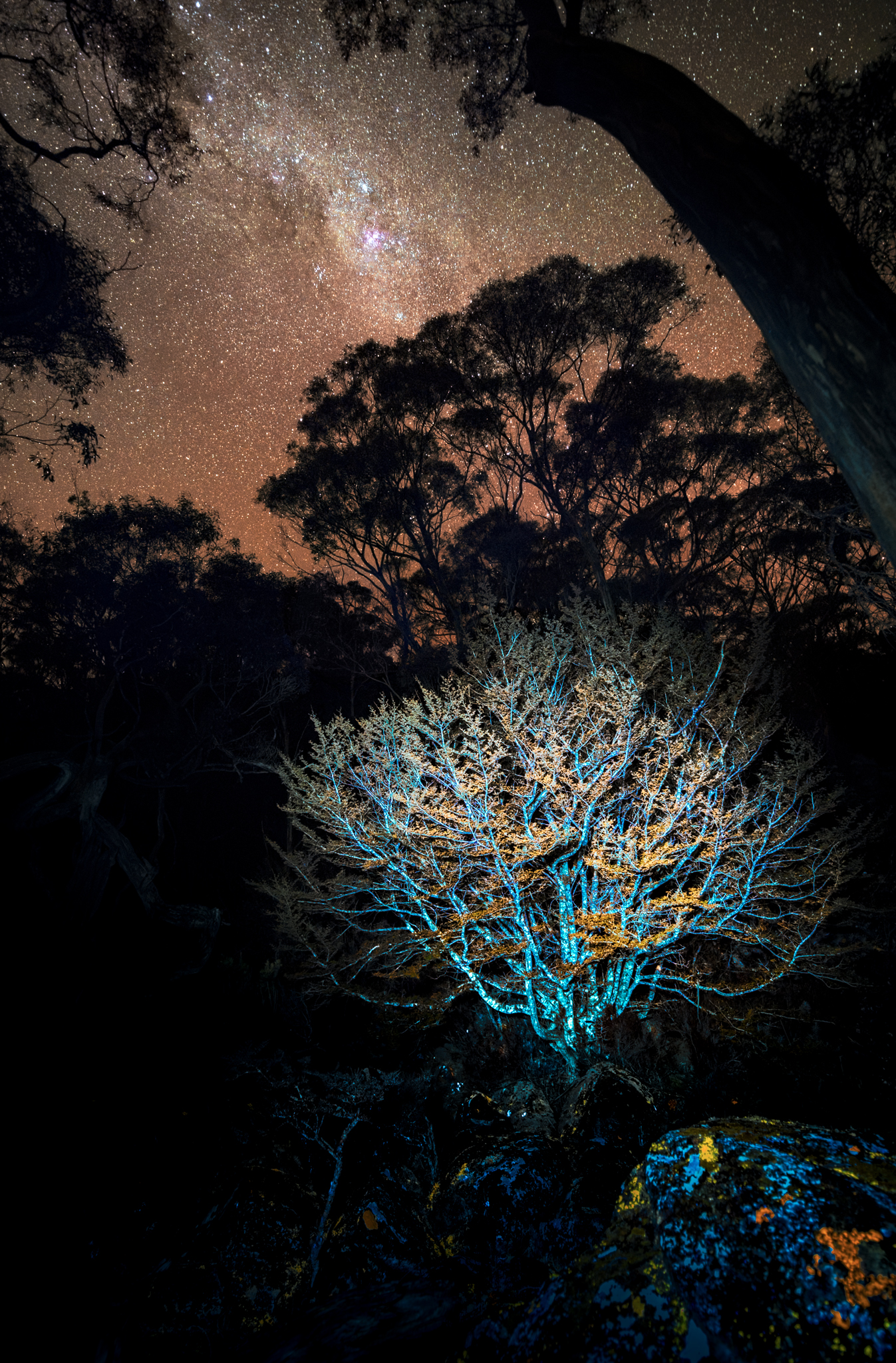
Above, Carina and Crux punctuate the last traces of the Aurora Australis. Below, Australia's only cold-weather deciduous tree, Nothofagus gunnii, reaches its peak golden blaze as winter approaches. Using special lighting, the tree bursts into a brilliant glow - blues, golds, and oranges exploding from the landscape as if by magic.
This image was named the Botanical Photo of the Year in the 2026 Australian Geographic Nature Photographer of the Year.
Apache
Print options available
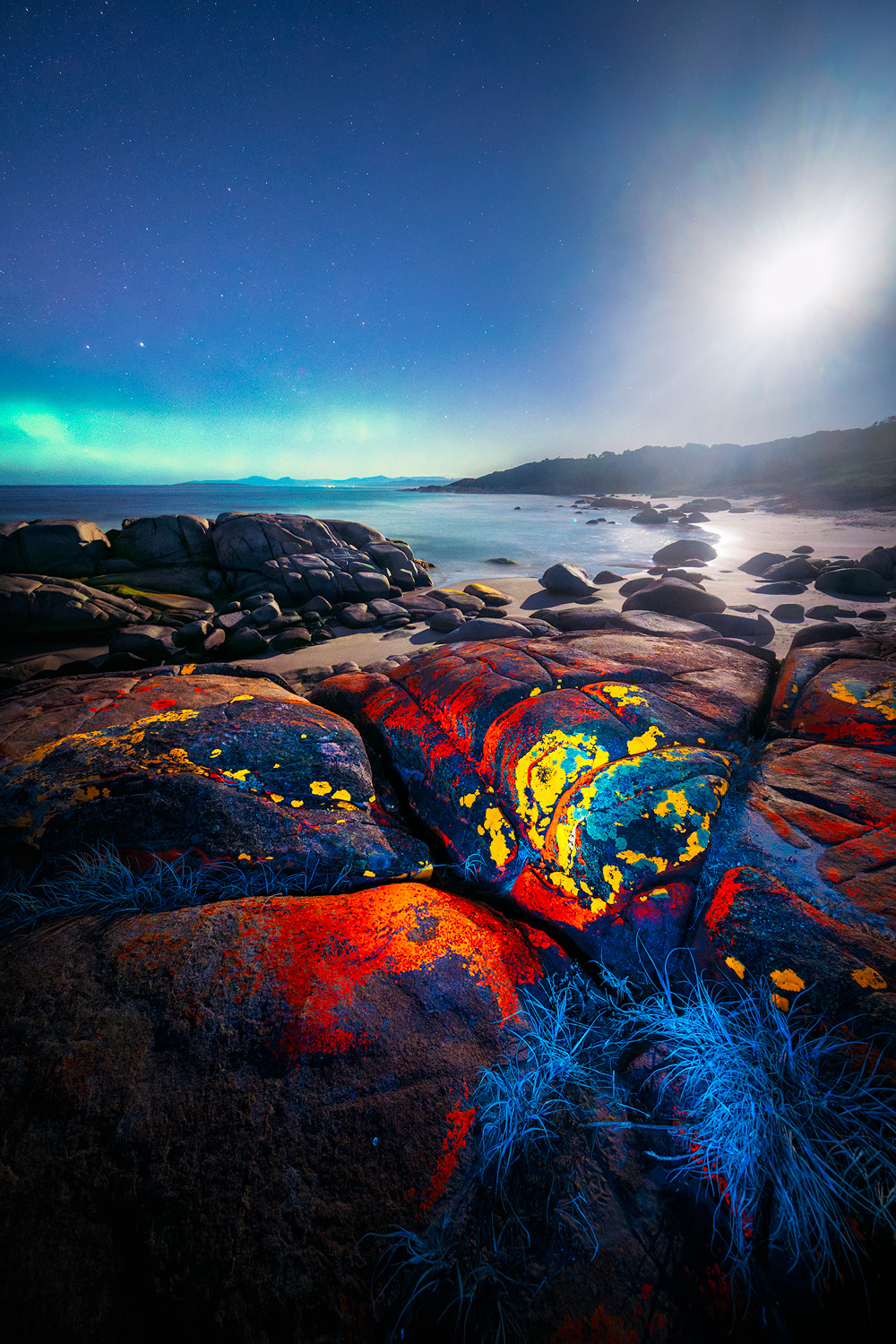
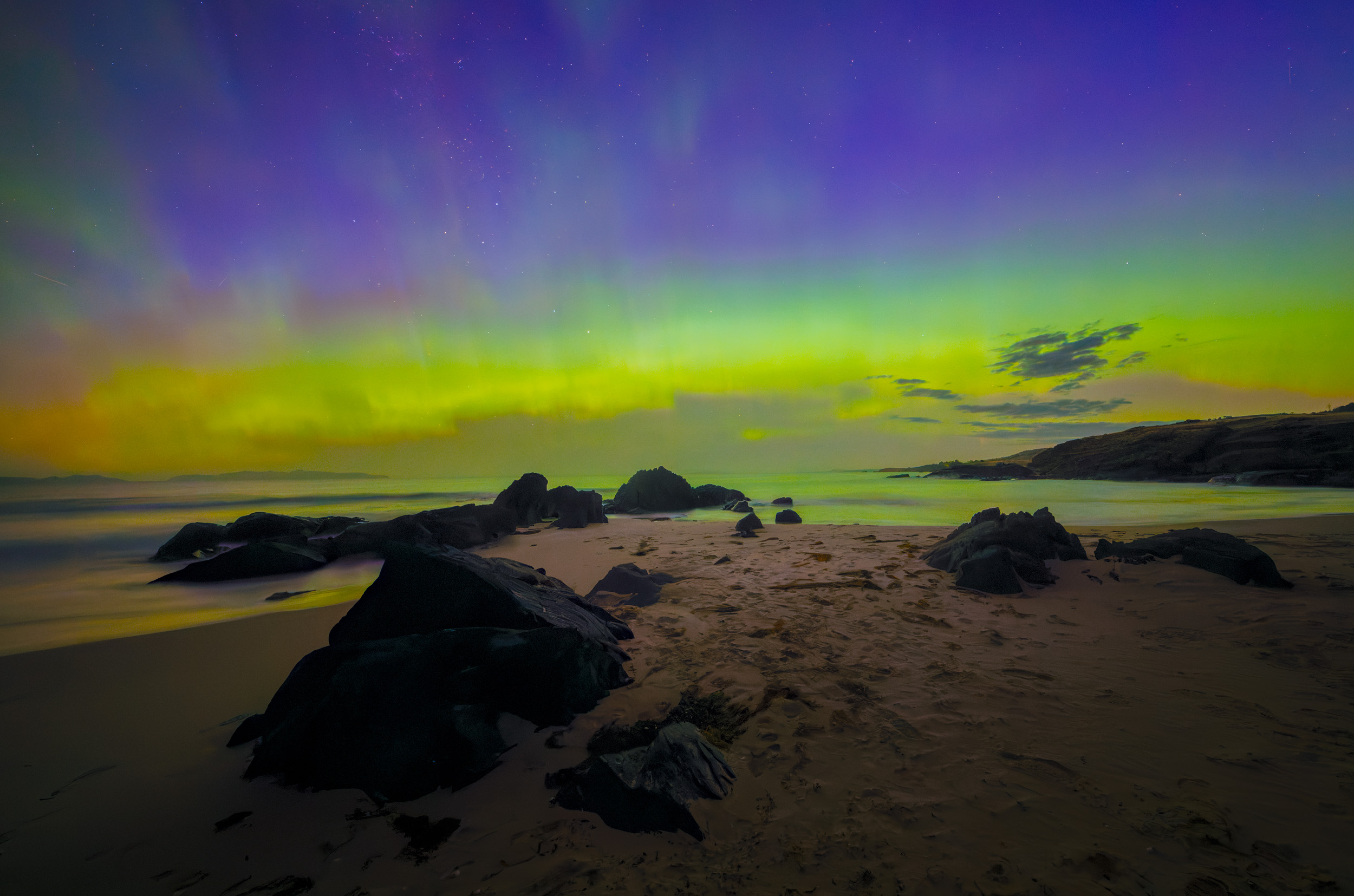
In October 2024, an intense geomagnetic storm impacted earth, triggering significant auroral displays globally despite the tenacious full moon it coincided with.
From the privileged vantage of lutruwita / Tasmania's east coast, an unobstructed view out into the southern Pacific met the swirling colours of the southern lights for hours. While it burned away behind the horizon, a different kind of light emerged from the lichen-encrusted rocks that line the bays of the region, biofluorescence. This living light transforms normally drab browns and russets into a cataclysm of hues across the face of the rocks and grasses, with the moon hanging above the hardscape.
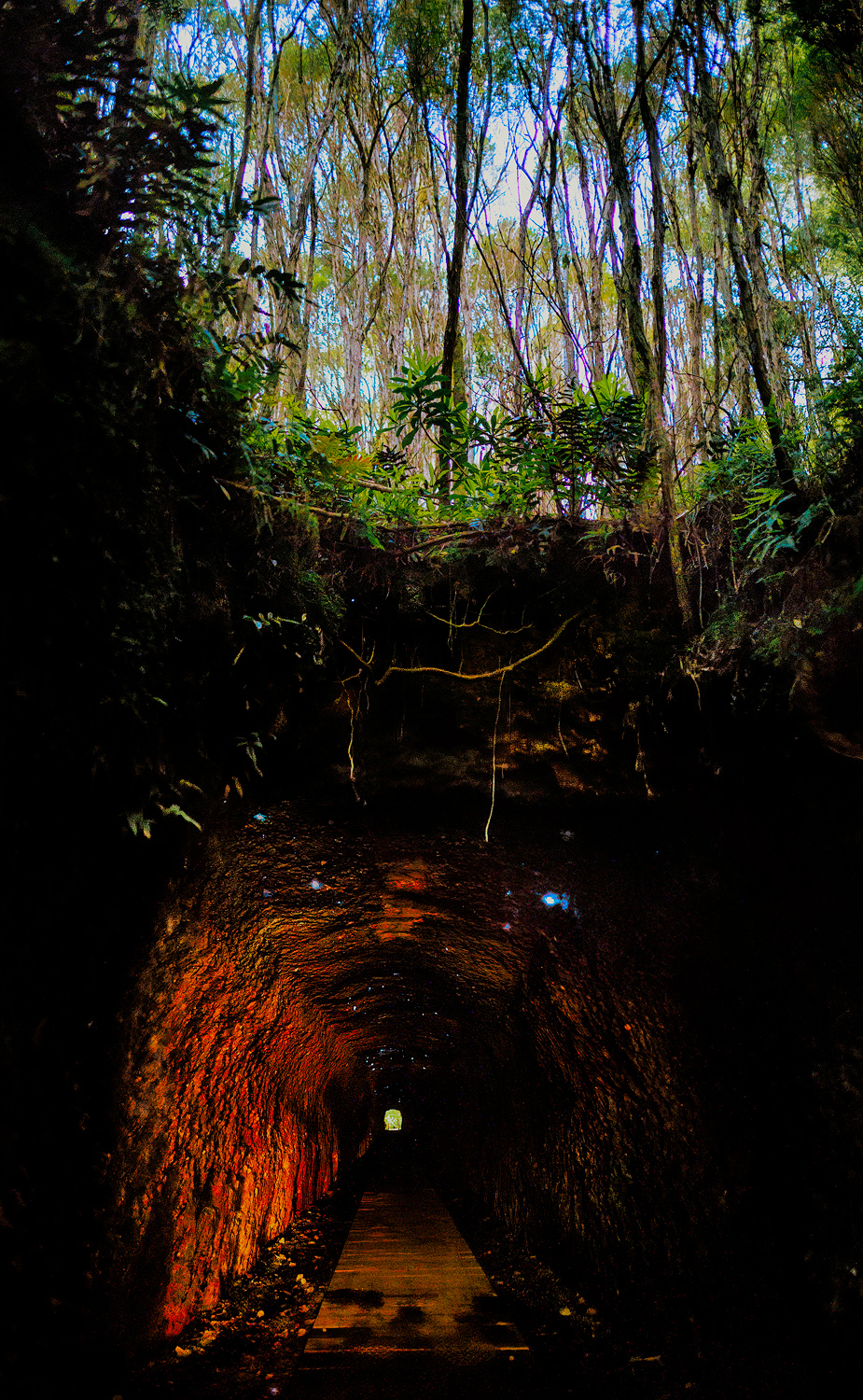
Arachnocampa tasmaniensis And Rising Moon
Print options available
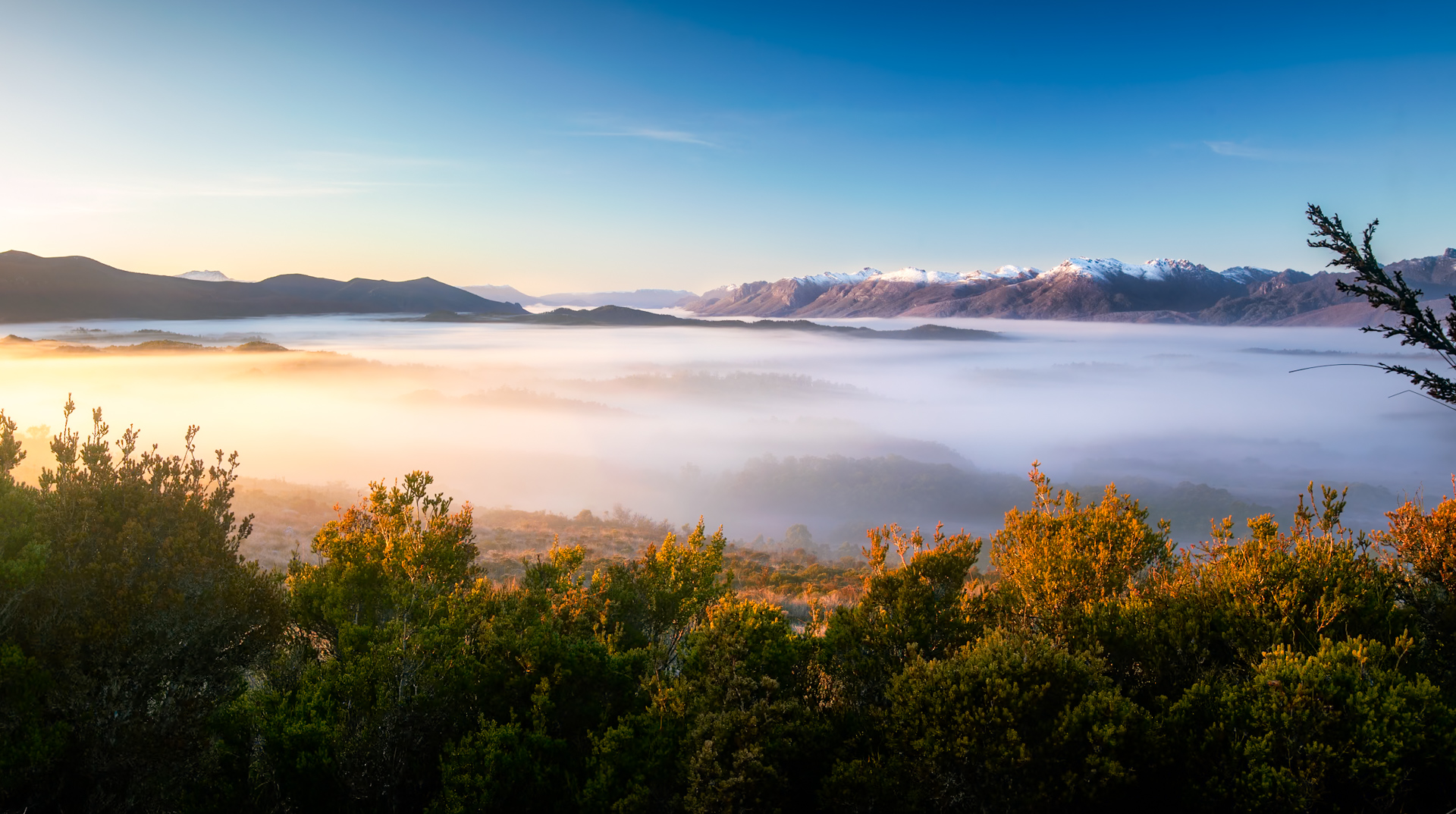
Arthurs Under Snow
Print options available
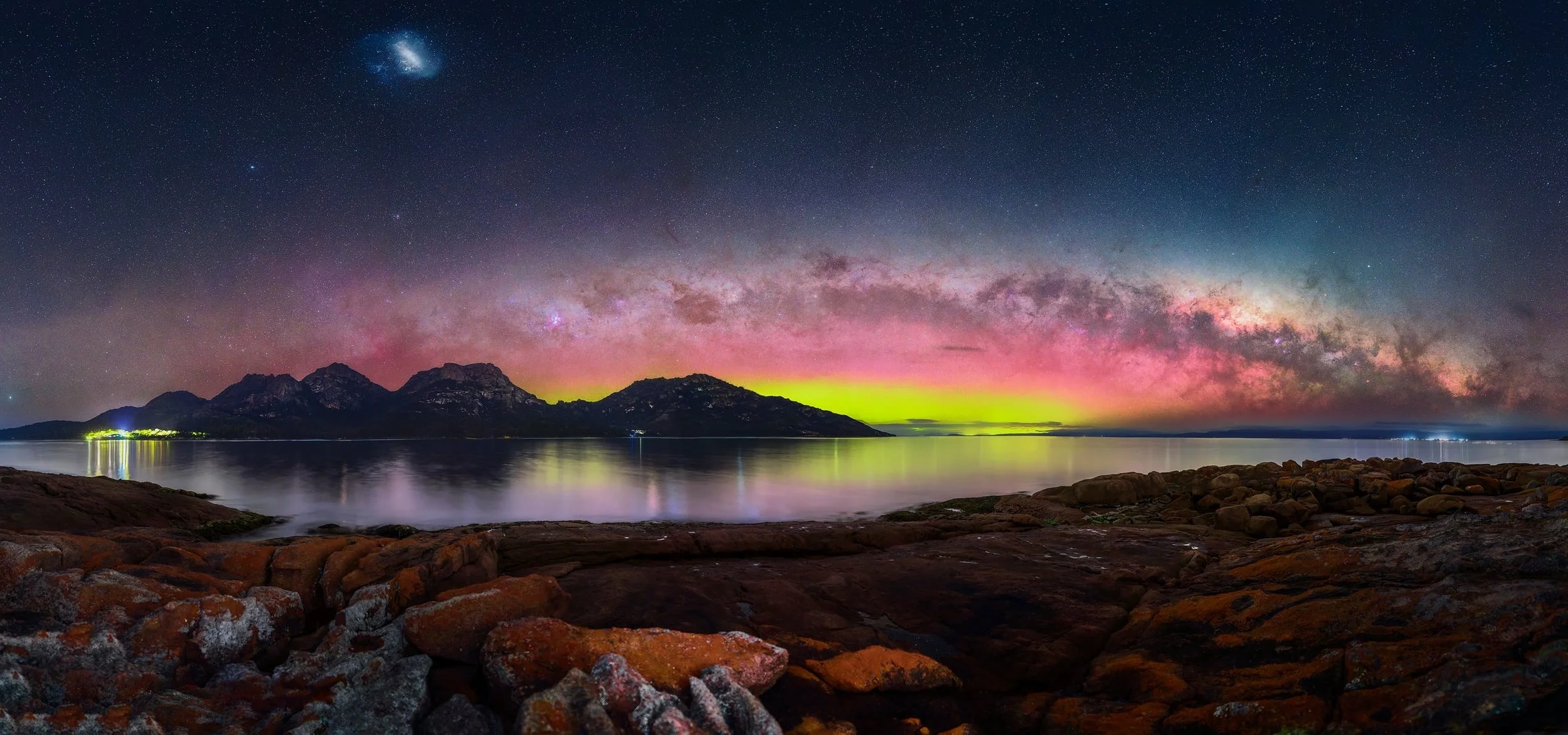
Aurora at the Hazards
Print options available
The southern lights – aurora australis, or ‘nuyina’ in palawa kani – is a regular, albeit elusive visitor to Tasmania’s pristine skies. One of the best places to view them is facing the Hazards range, extending on the opposite side of the world-famous Wineglass Bay.
This particular night saw close to 700km of driving, and one very tired Benjamin.
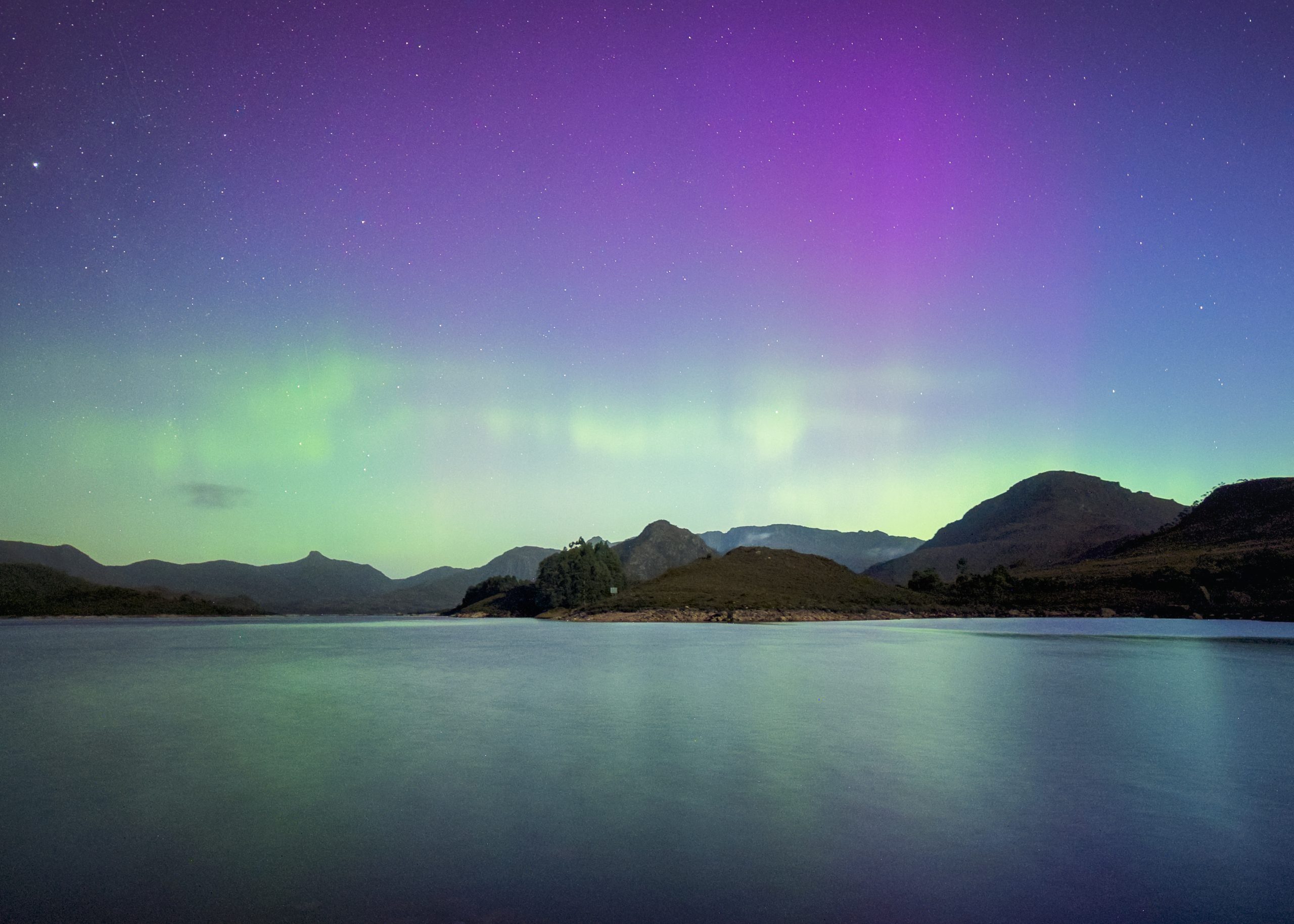
Aurora Over Sw Tasmania With Iphone
Print options available
Aurum
Print options available
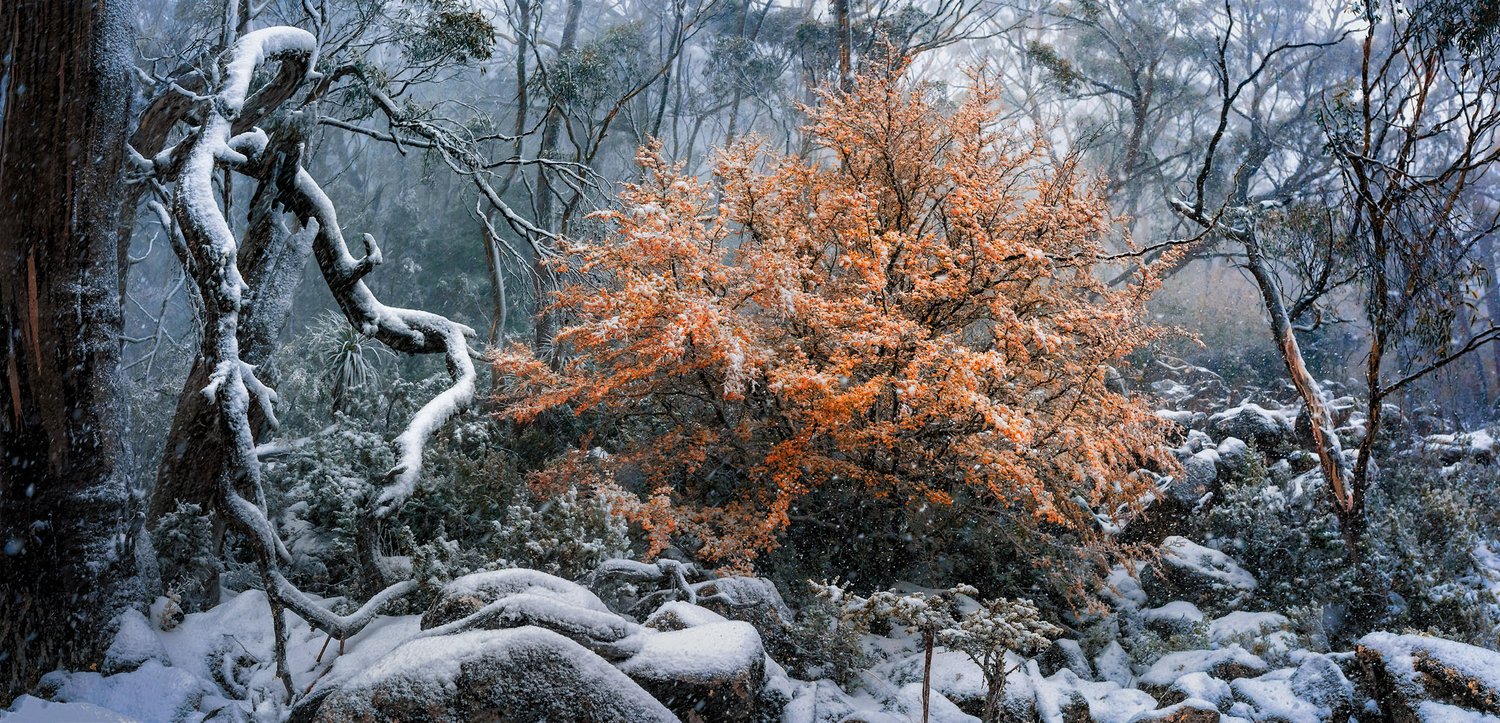
Nothofagus gunnii, more commonly referred to as simply ‘Fagus,’ is an oddity amongst Australian flora, in that it is the only species that undergoes ‘the turn’ – the inevitable die-off of foliage that happens to all deciduous trees as cold weather sets in for the year. Such is the adoration for this humble tree that there is an entire week dedicated to observing this turn, which sees international visitors coming season on season just for the experience.
This image was named the Landscape Photograph of the Year at the prestigious Australian Geographic Nature Photographer of the Year 2024.
Baroness
Print options available
Before The Goldrush
Print options available
Bettong
Print options available
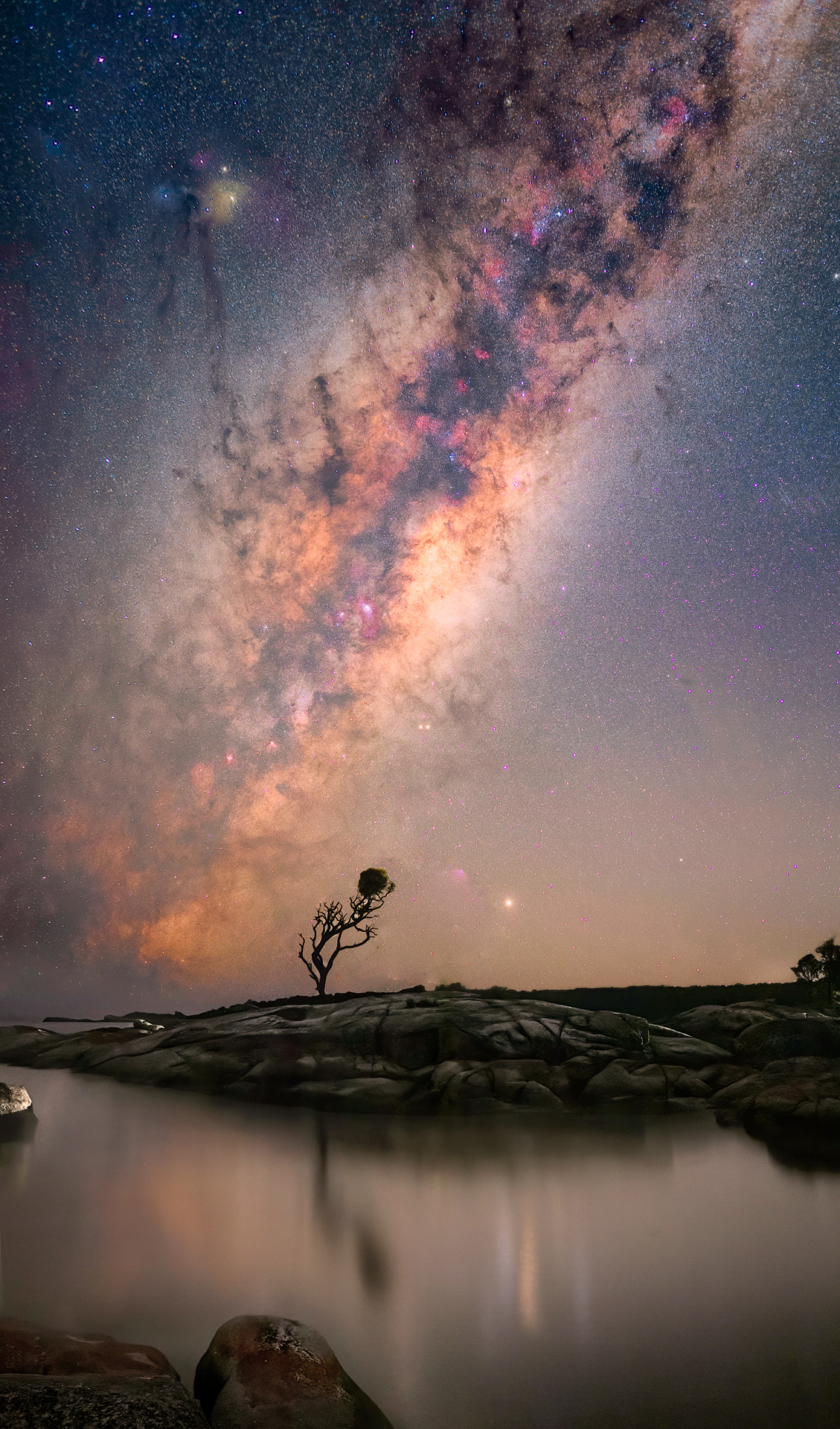
Binalong
Print options available
In Tasmania’s far northeast, there was a solitary tree overlooking a sleepy bay. Aside from the street lamps that offer it company at night, the galaxy above is its only friend. But, what a friend it was.
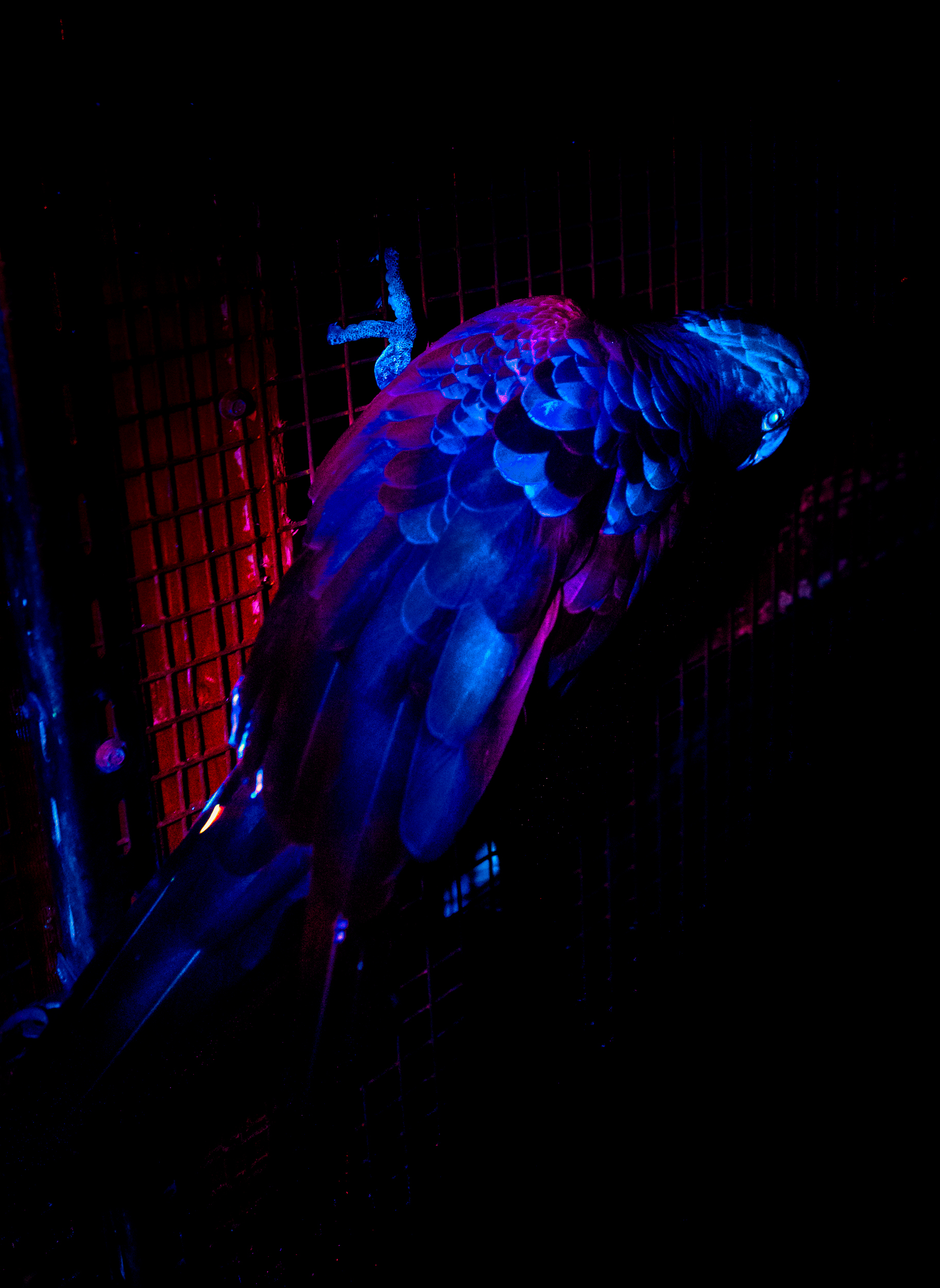
Black Cockatoo
Print options available
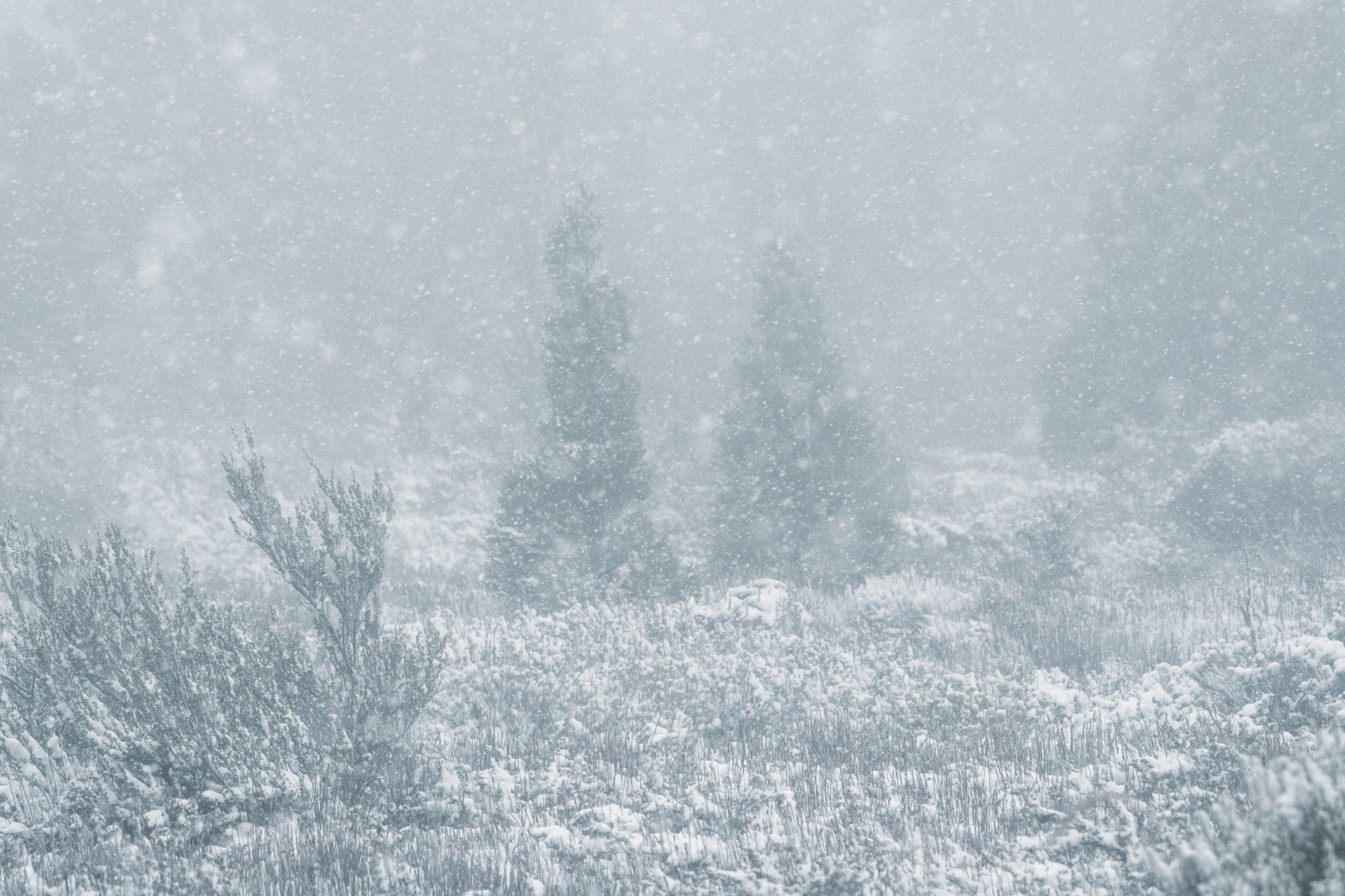
Blanket
Print options available
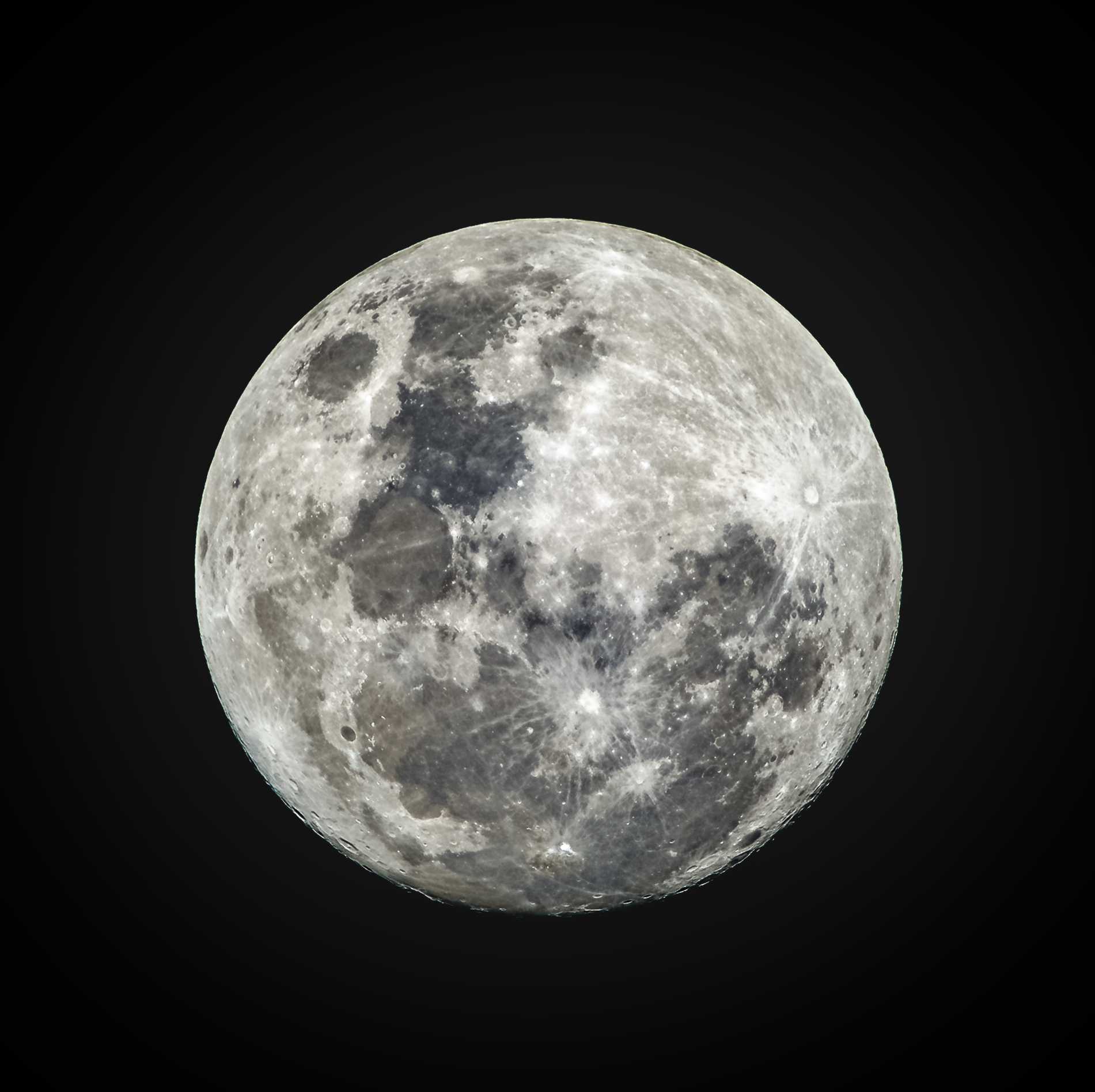
Blue Moon May 2026
Print options available
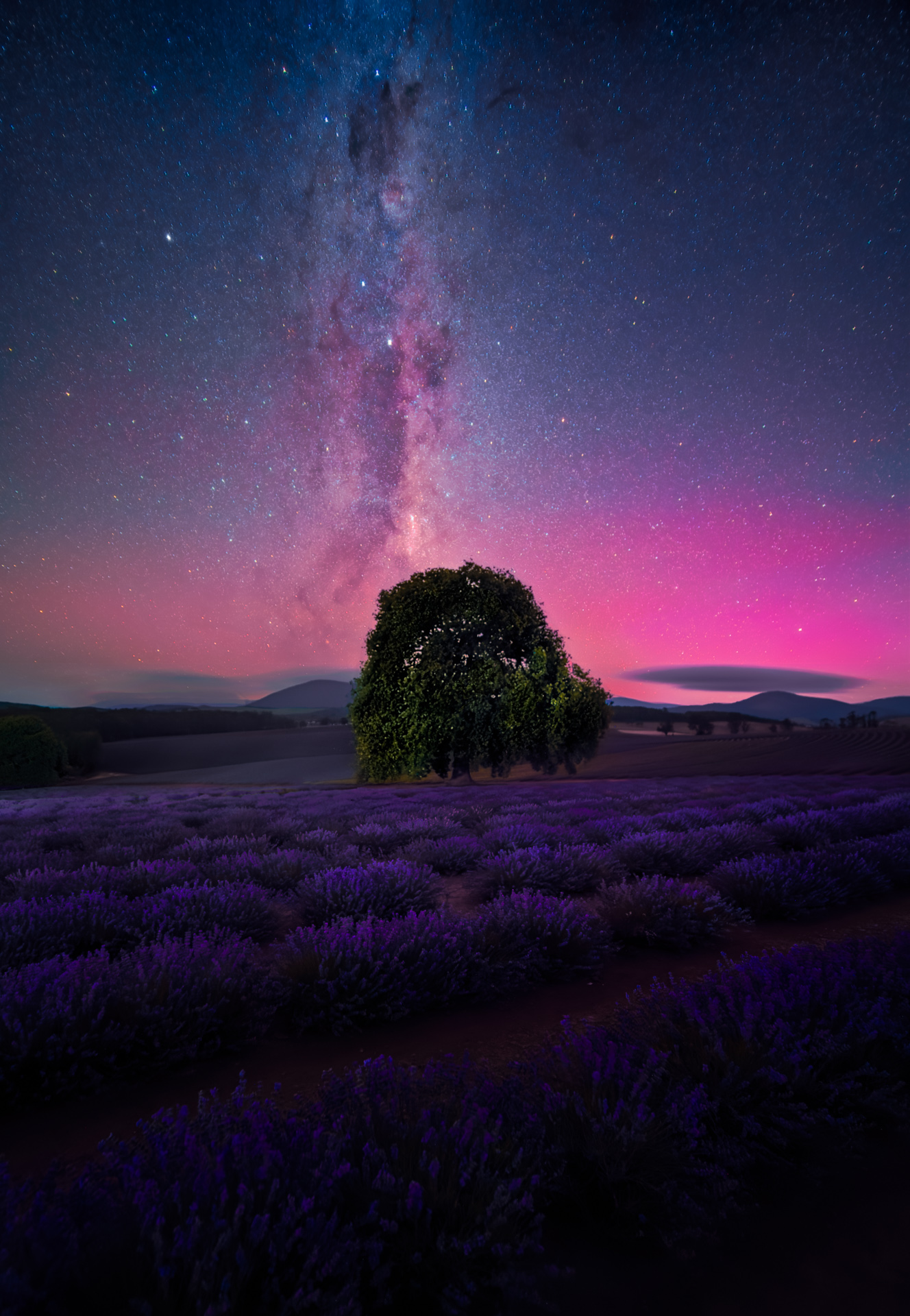
Bridestowe
Print options available
Bridestowe Lavender Estate is a very special place. Stunningly beautiful, beautifully fragrant, even better at night. This is probably the earliest in the year you can sort of shoot the Milky Way – months before the rest of the country.
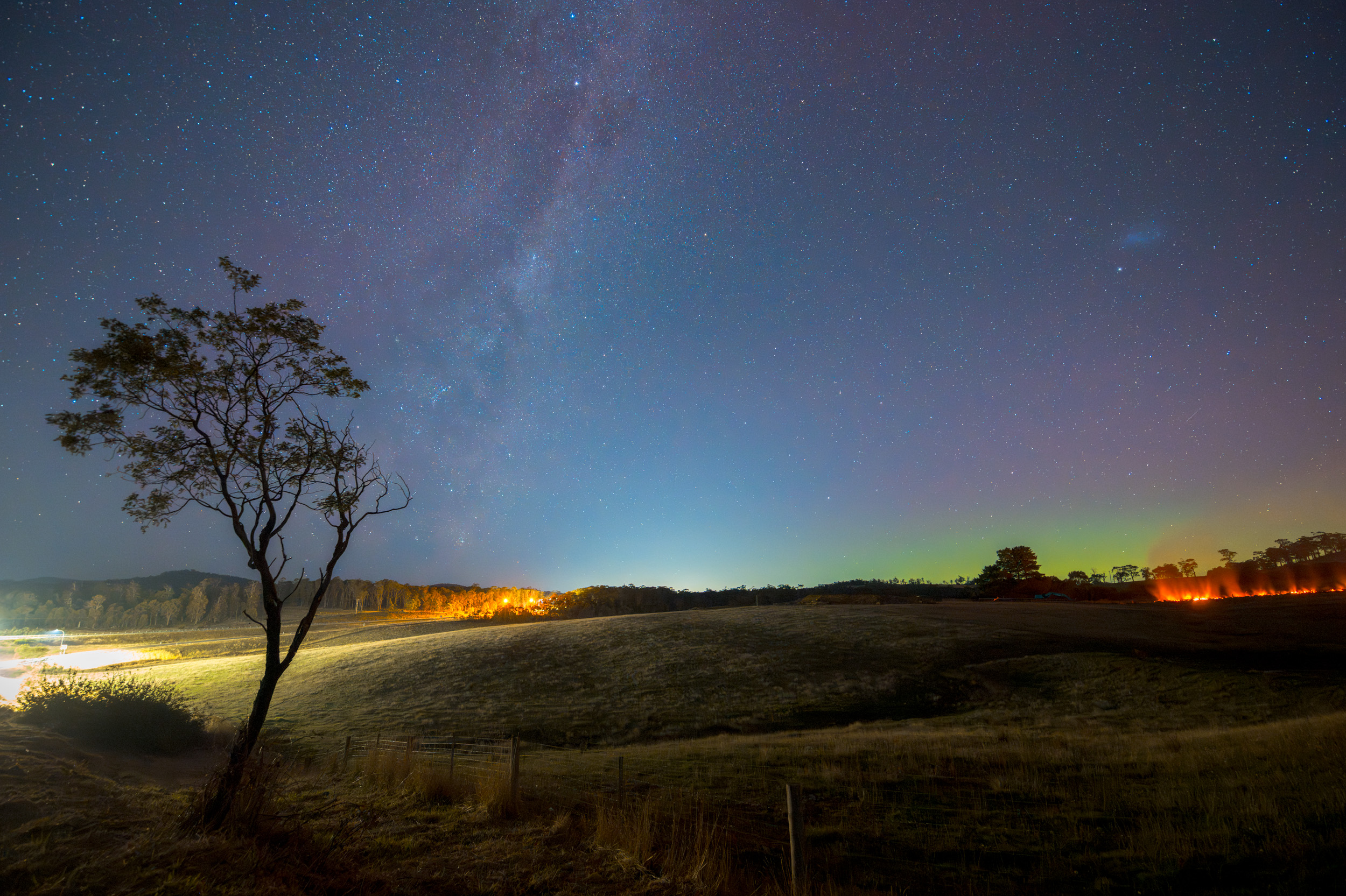
Brushfire Fairytale
Print options available
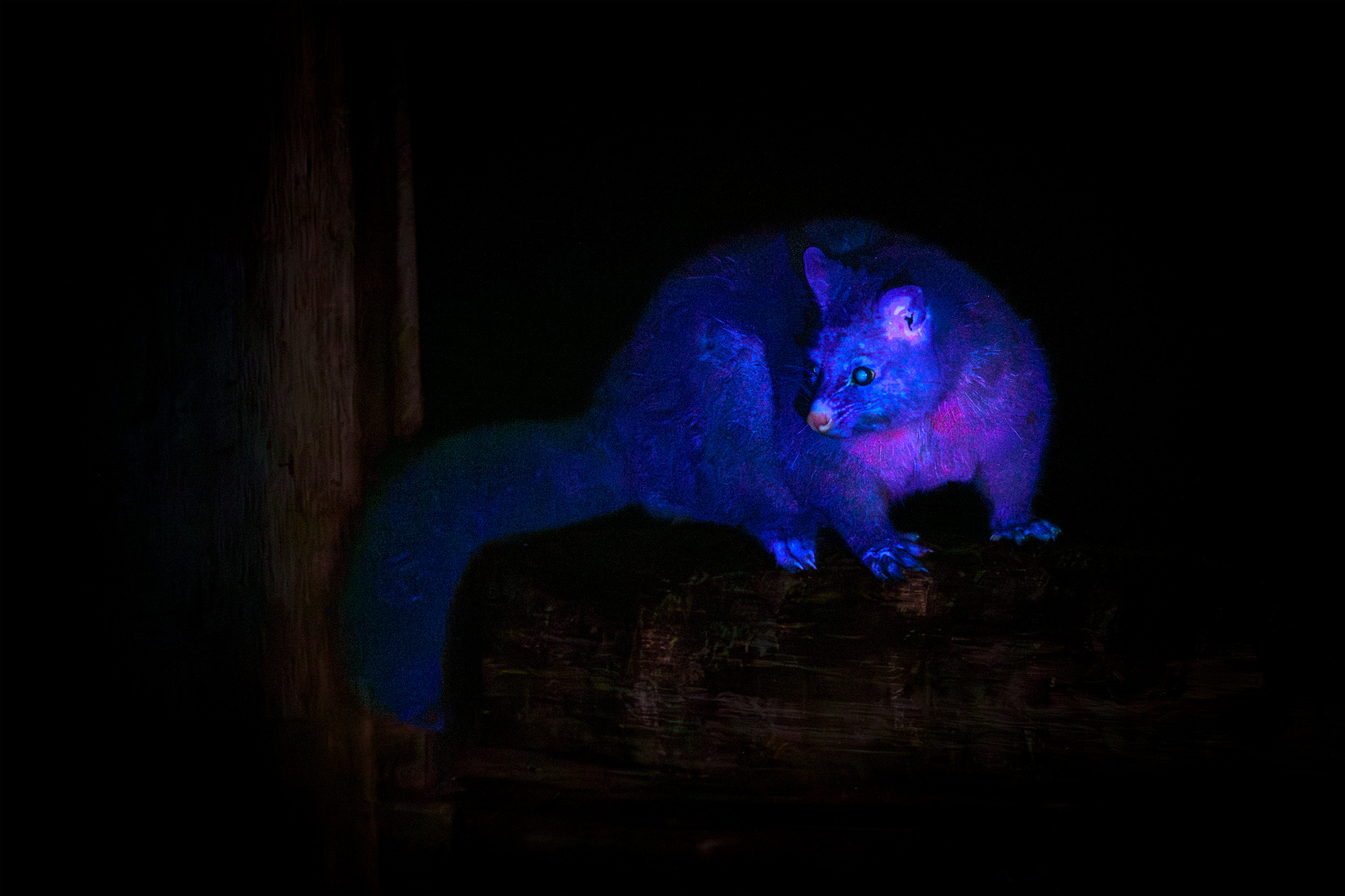
Brushtail Possum I
Print options available
On expedition in Southwest Tasmania during the early stages of 2026, I spent a significant period of time working to codify the biofluoresence of the resident Brushtail Possum population. With a full moon available, it offered a rare opportunity to do this safely – allowing a proper capture of their full range of emission. The vibrant reds hidden amongst the blues are only visible from some angles, adding deeper curiosity to the find.
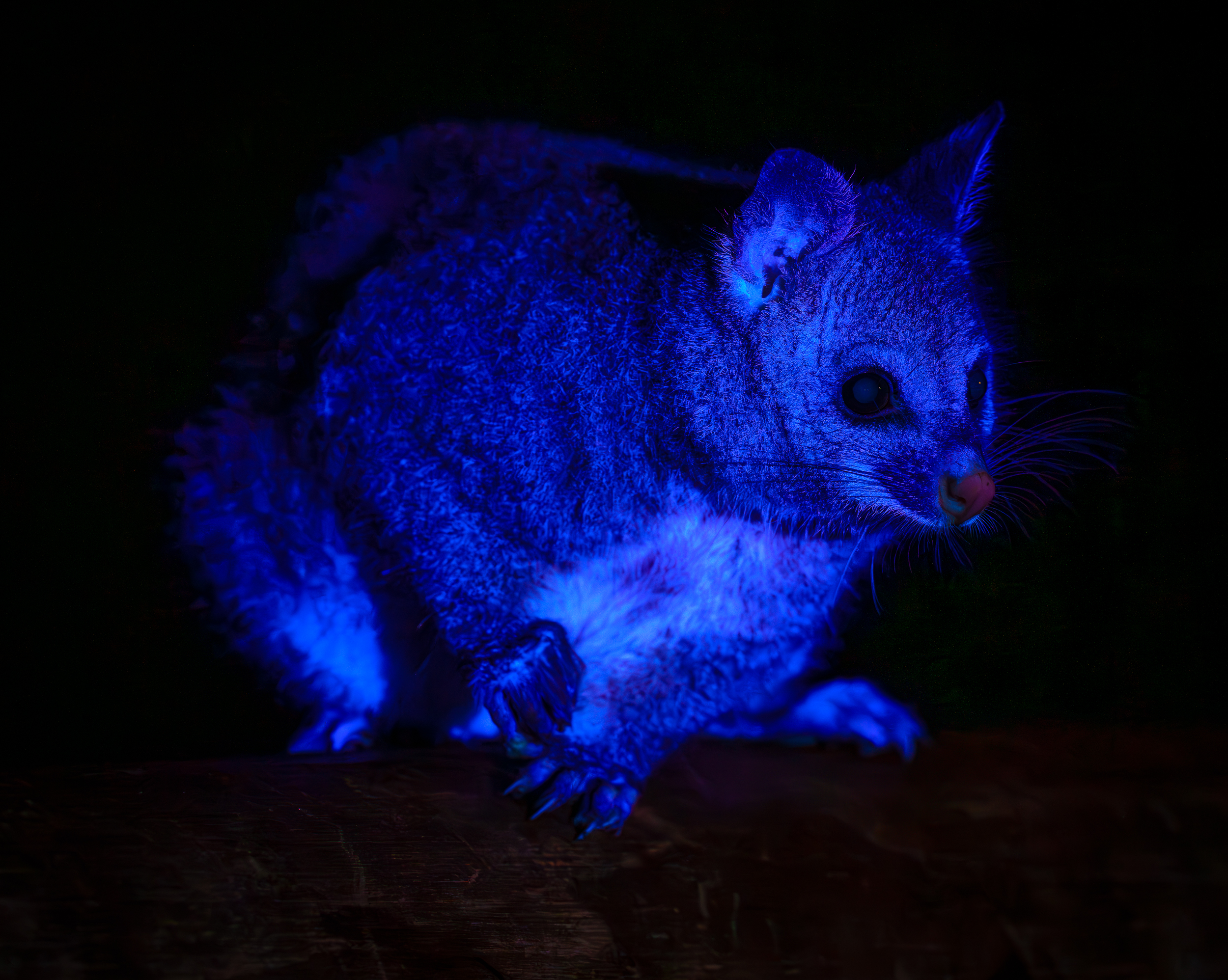
Brushtail Possum II
Print options available
On expedition in Southwest Tasmania during the early stages of 2026, I spent a significant period of time working to codify the biofluoresence of the resident Brushtail Possum population. With a full moon available, it offered a rare opportunity to do this safely – allowing a proper capture of their full range of emission. Under this type of light, the intense pink of the nose bursts forth from the deep blues of their body.
Brushtail Possum IV
Print options available
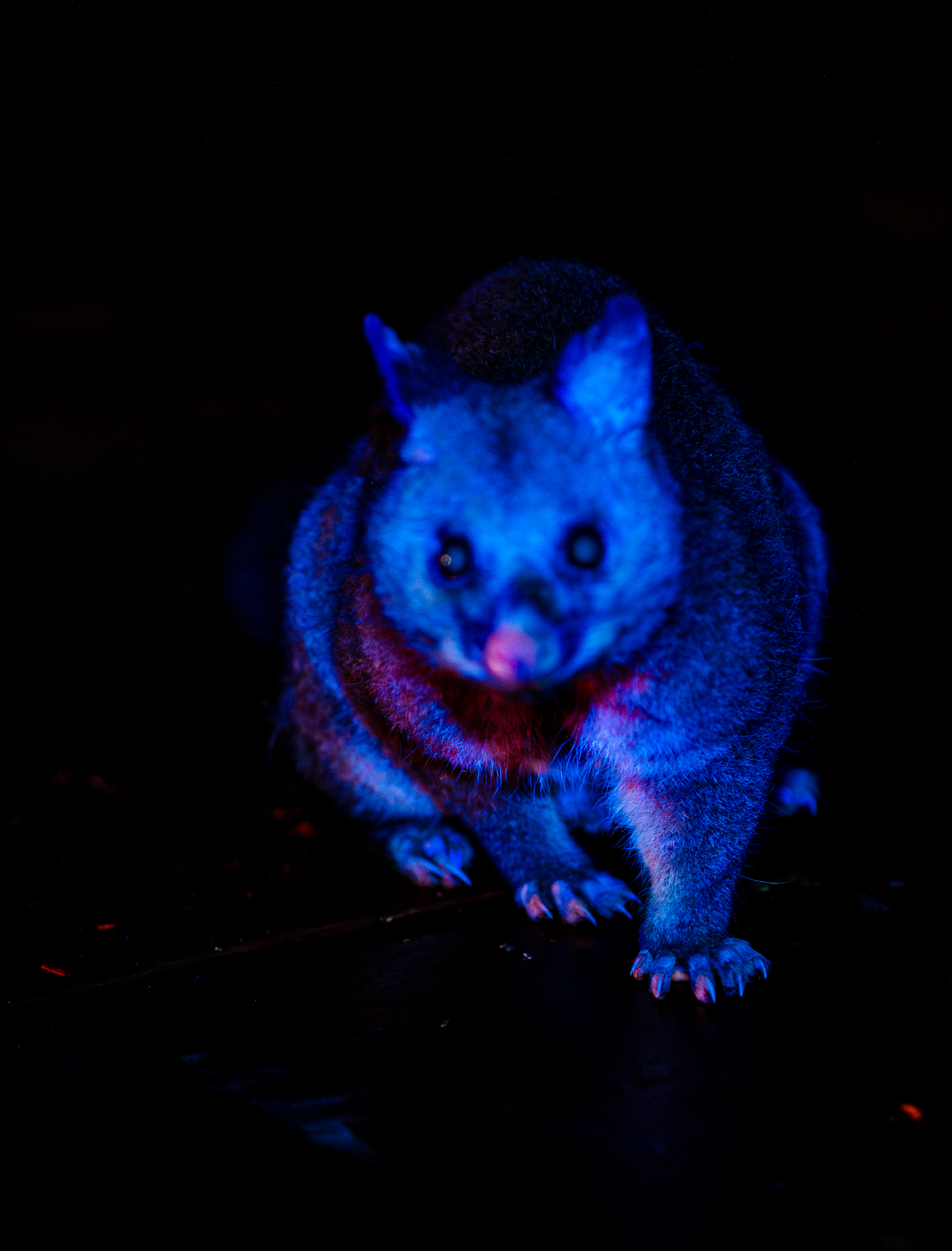
On expedition in Southwest Tasmania during the early stages of 2026, I spent a significant period of time working to codify the biofluoresence of the resident Brushtail Possum population. With a full moon available, it offered a rare opportunity to do this safely – allowing a proper capture of their full range of emission. The vibrant reds hidden amongst the blues are only visible from some angles, adding deeper curiosity to the find.
Brushtail Possum Under Visible Light
Print options available
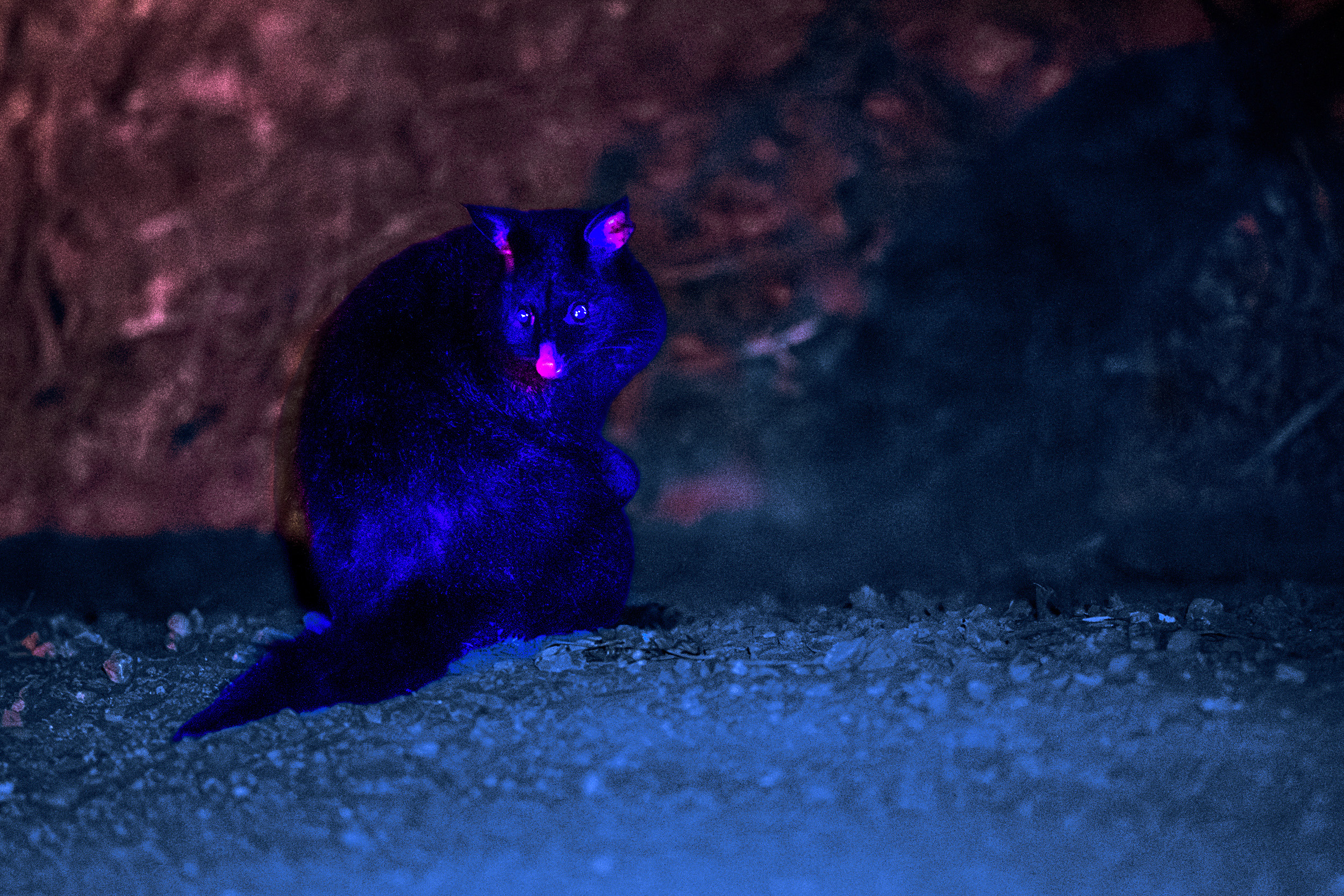
While on expedition in Northern Tasmania in early 2026, I identified a very curious property in the Brushtail Possums of the area that I'd seen traces of over the years: biofluorescence that was different from all of the others science acknowledges – they glow under visible light. Where most terrestrial biofluorescence uses UV for excitation, this specimen is clearly glowing under blue light, displaying significant glow on the nose and ears not normally present. A curious find indeed!
Brushtail Possum V
Print options available
Brushtail Possum Vi
Print options available
By Moonlight
Print options available
Cascade Milky Way
Print options available
Celestial Bouquet
Print options available
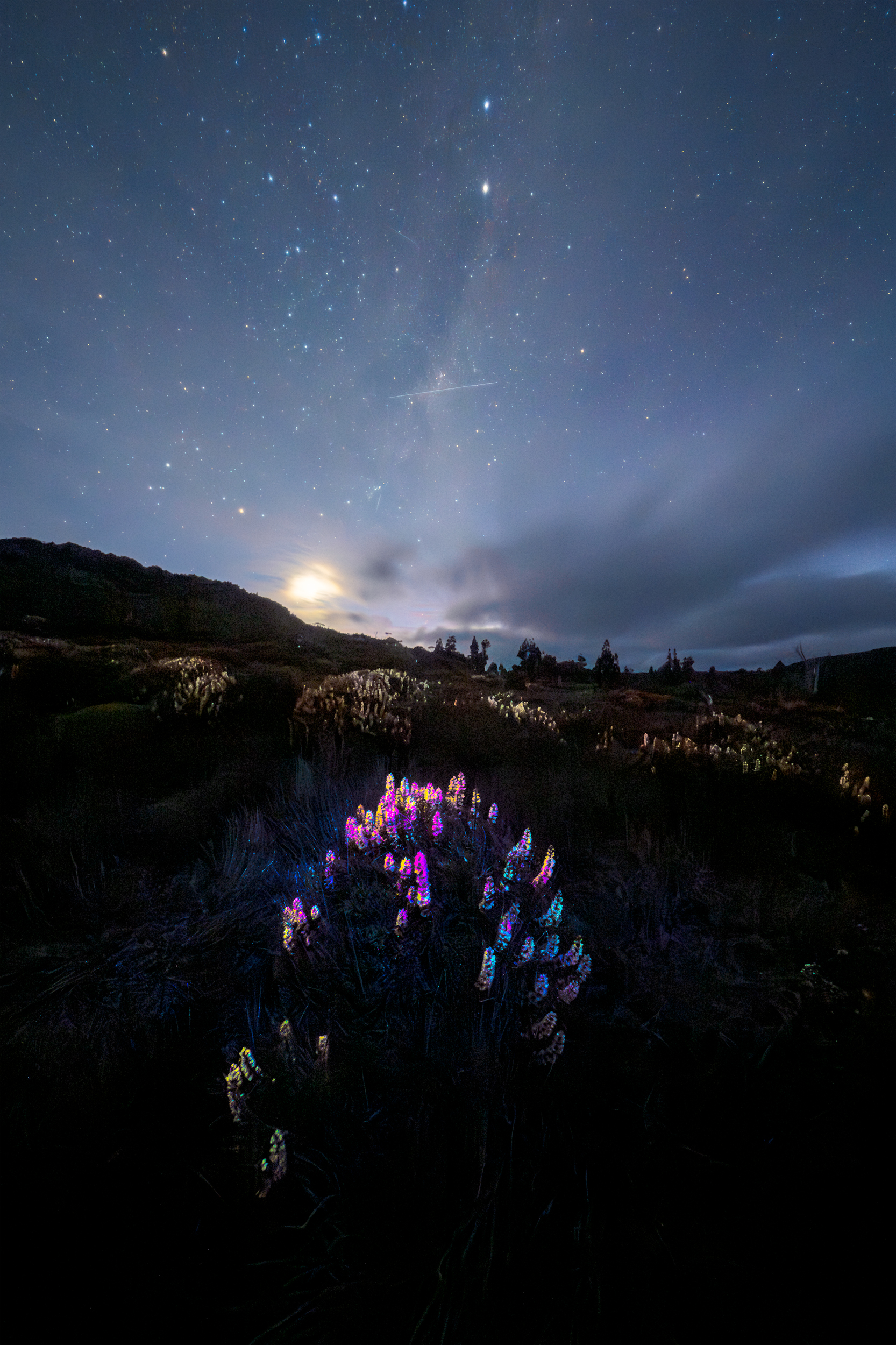
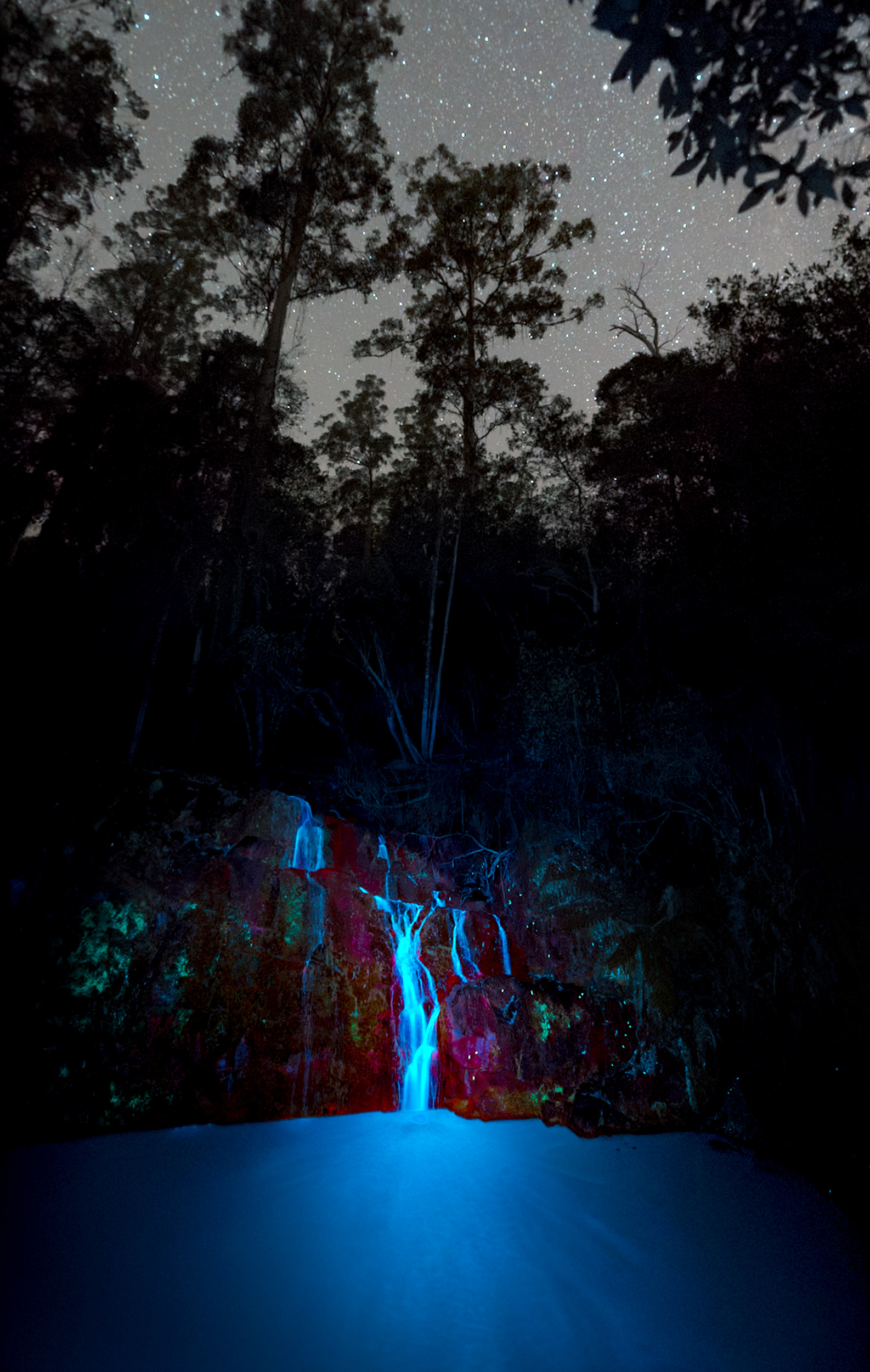
For a brief window over the summer months in lutruwita / Tasmania's alpine plateaus, one of the most iconic species of the regions bursts into flower: Richea scoparia. Colloquially known as simply Scoparia, it occasionally goes by another much less appealing name -- Bushwalker's Nightmare.
With sharp, stiff blades set behind the ephemeral bloom, most of the year it lays in wait to slice unsuspecting ankles as they brush past. Here, under a rising partial moon and the first traces of Milky Way for the year, it fluoresces brightly in a range of colours under multispectral light.
Centipede Party
Print options available
Charming The Core
Print options available
Chromacity
Print options available
Cider
Print options available
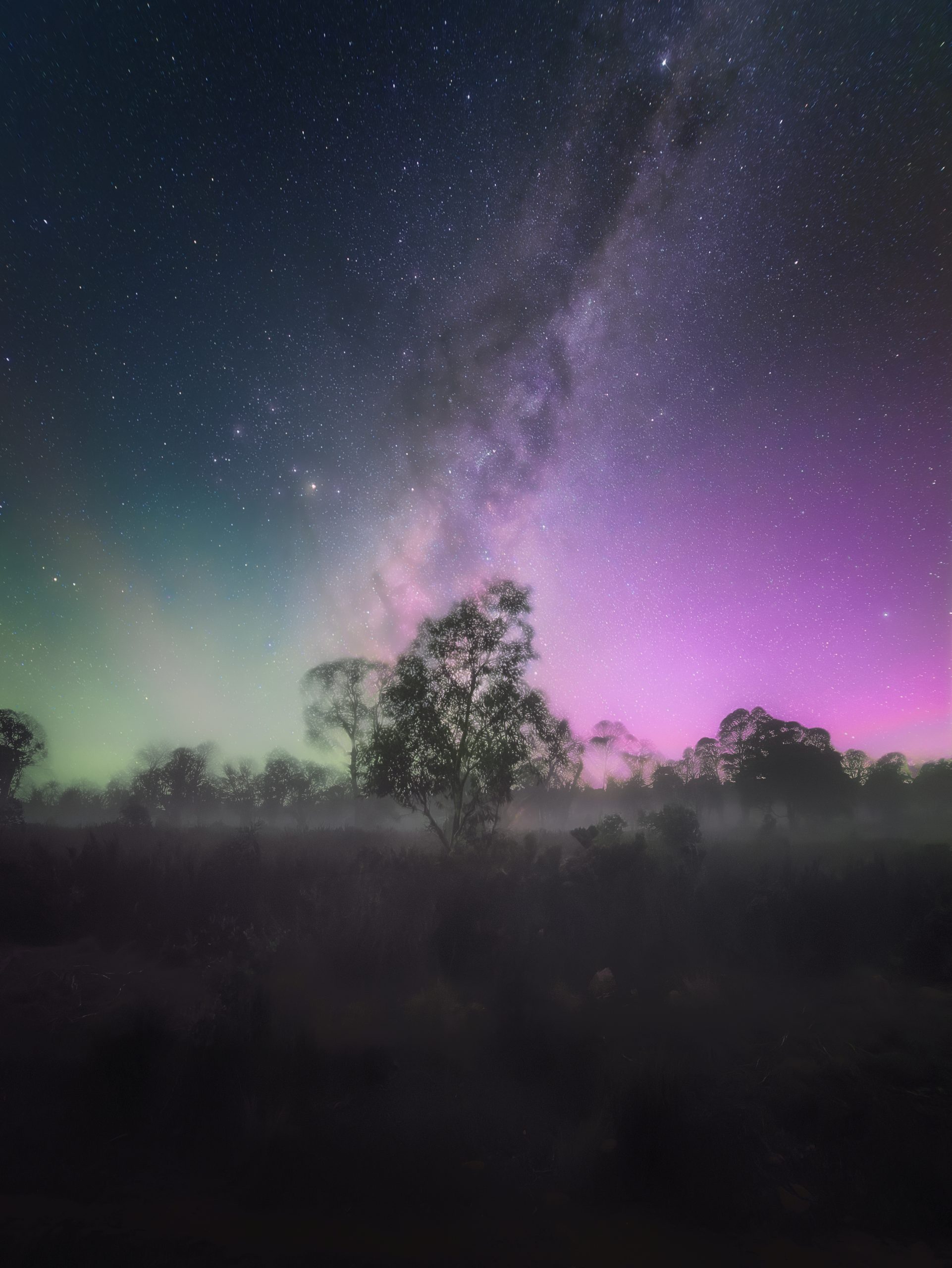
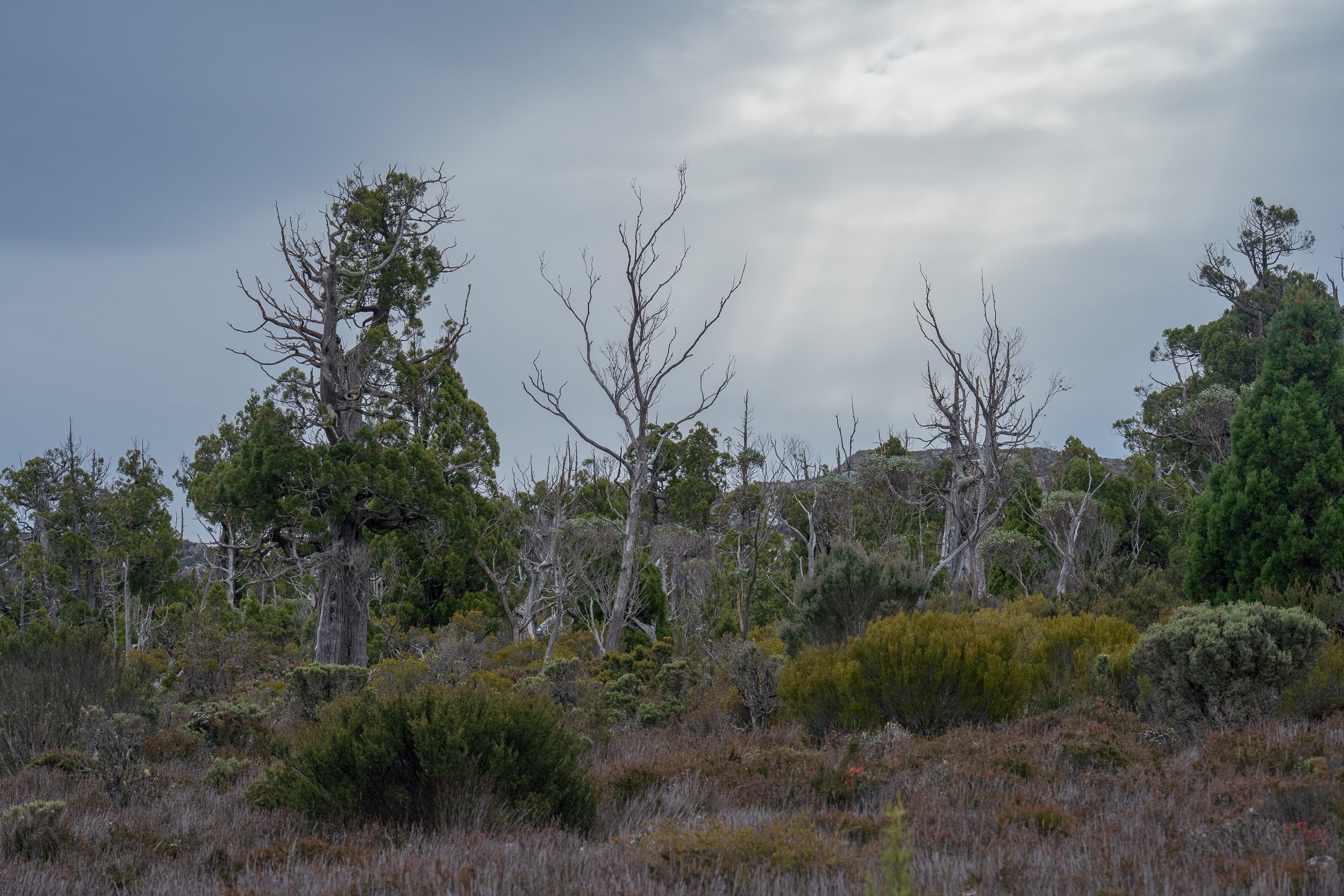
In a narrow sliver of Tasmania’s highlands, one species dominates the landscape: the Miena Cider Gum (Eucalyptus gunnii subsp. divaricata). Found in only a few dozen hectares of exposed plateau, many members of the population have left ghostly remains after extensive fire damage. Owing to Bortle 1 skies (the darkest class of sky, akin to the void of space with no terrestrial interference to inhibit visibility of faint details) the area serves as fertile ground for imaging, often pairing both galactic and atmospheric sights – such as the "dark emu", intensely colourful airglow, and the aurora as seen on this evening – seamlessly.
Cod Tongue
Print options available
Colour Blast
Print options available
Community
Print options available
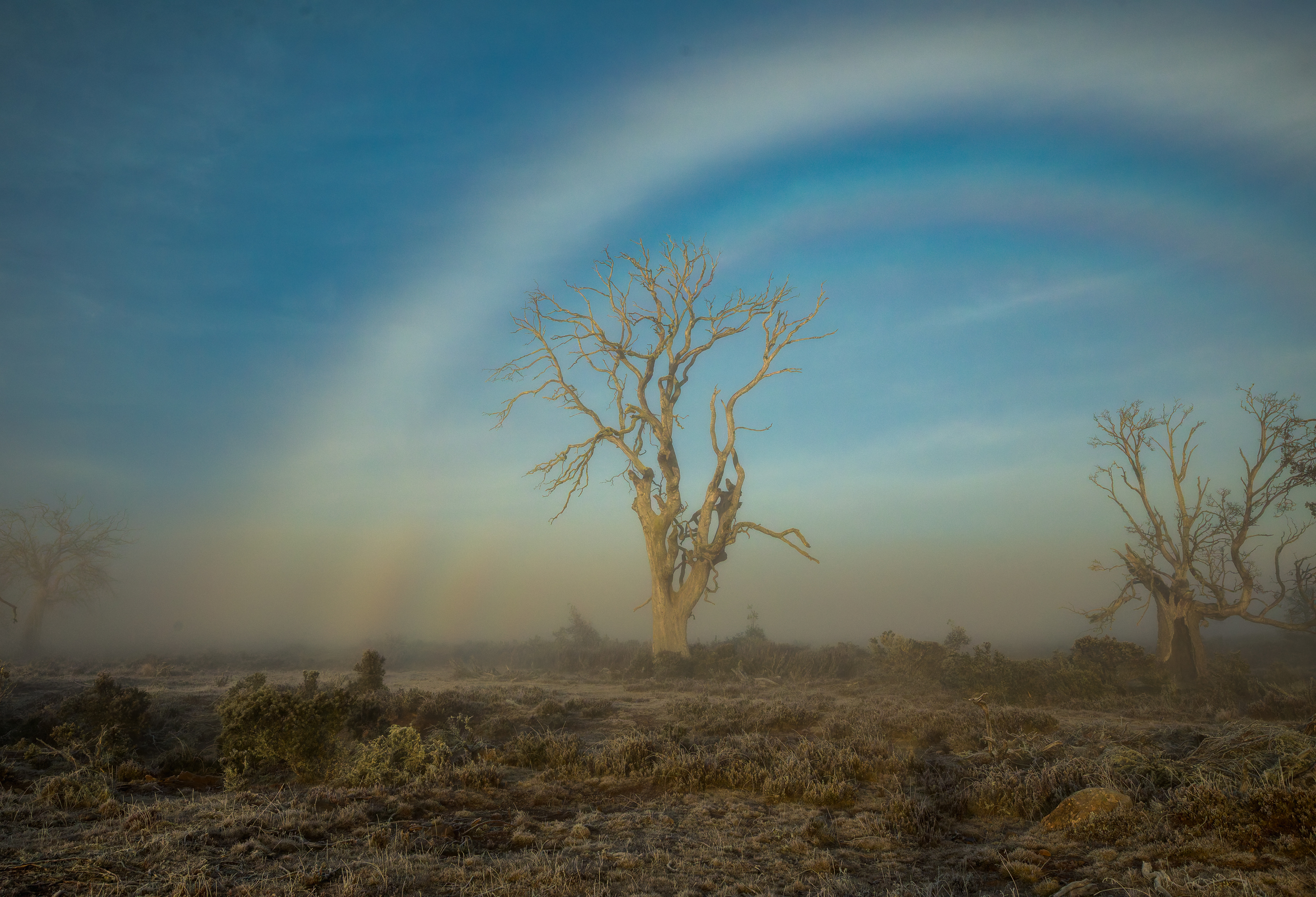
Concentric
Print options available
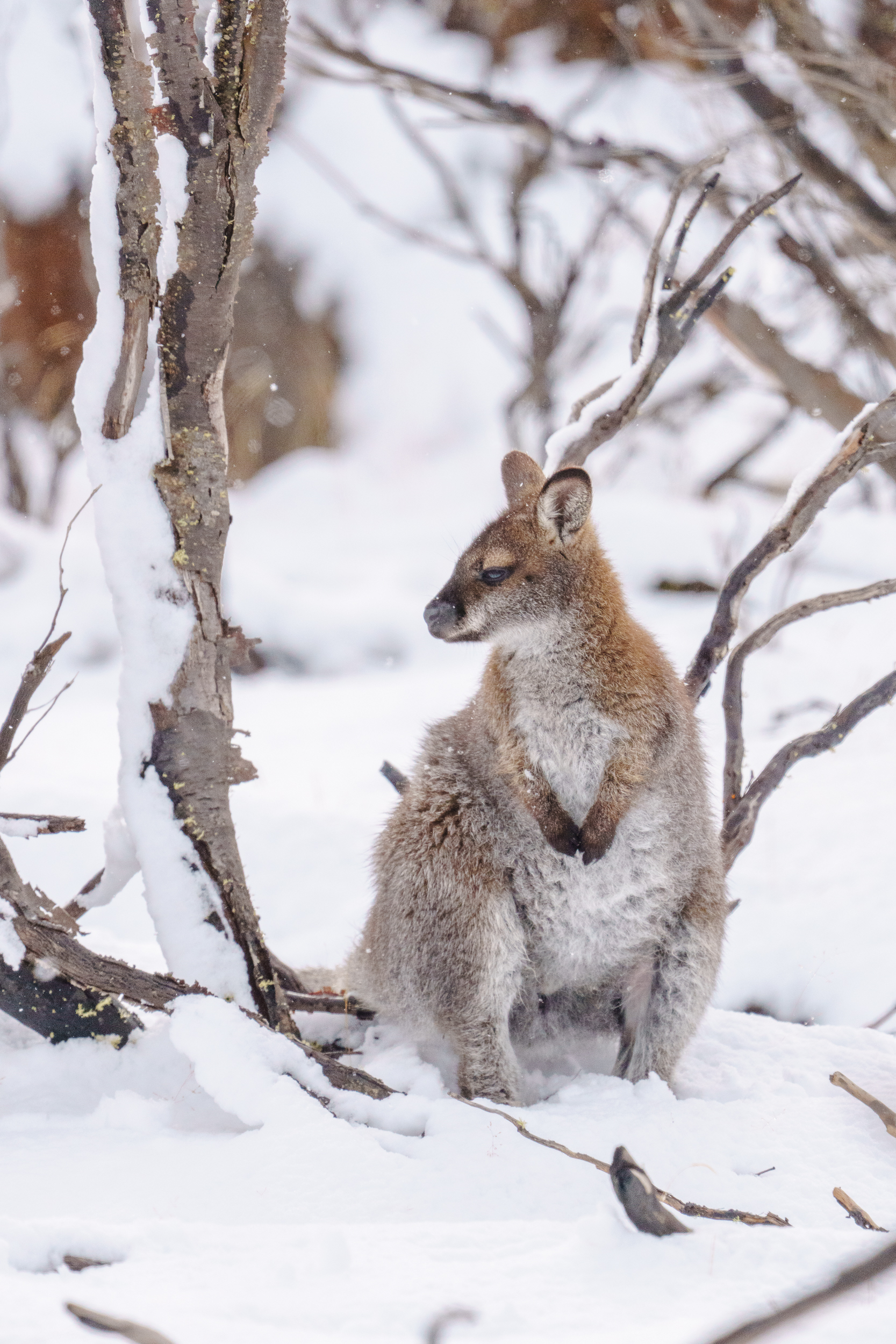
Contemplative
Print options available
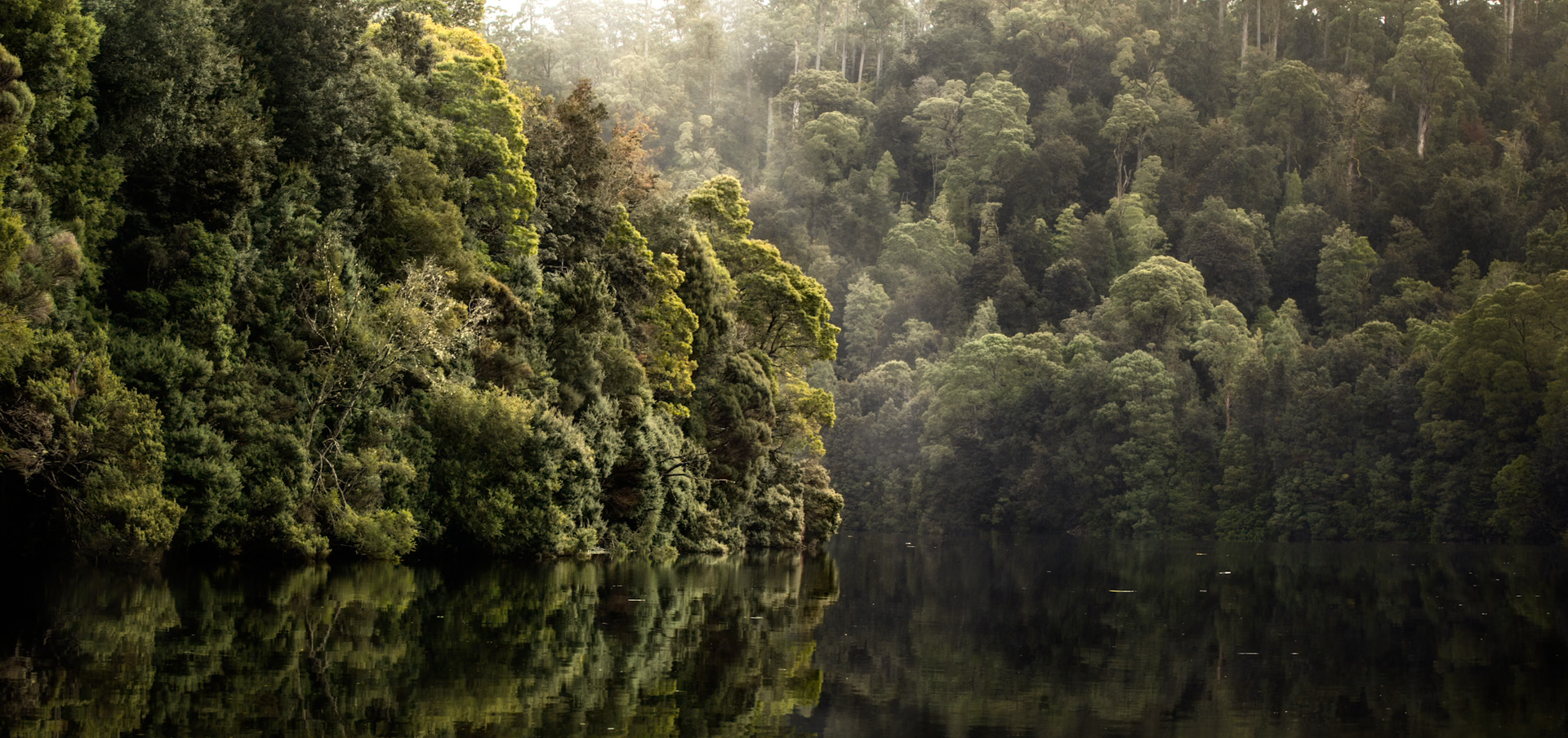
CONVERGE
Print options available
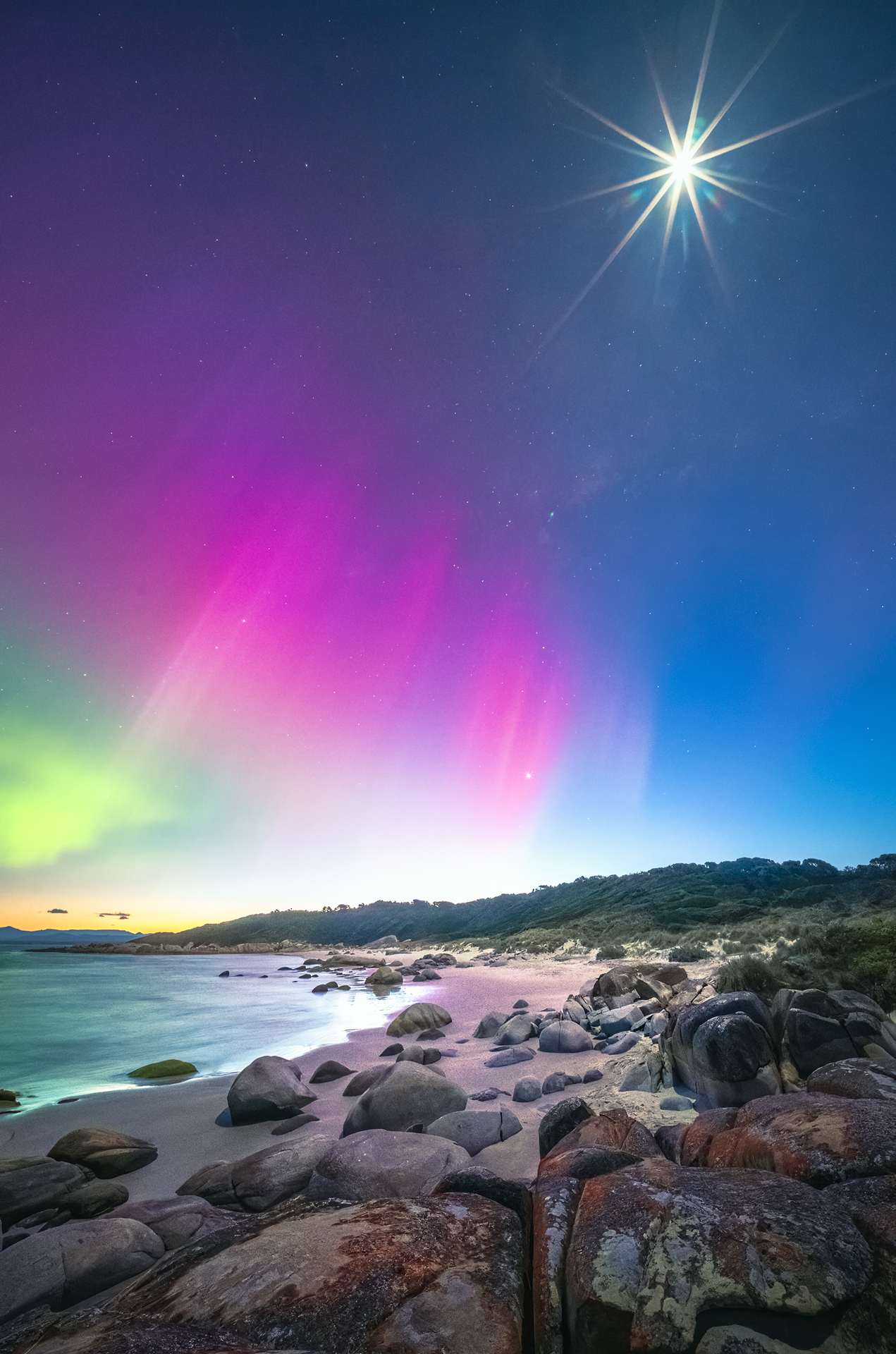
Corona
Print options available
Curiosity
Print options available
Density
Print options available
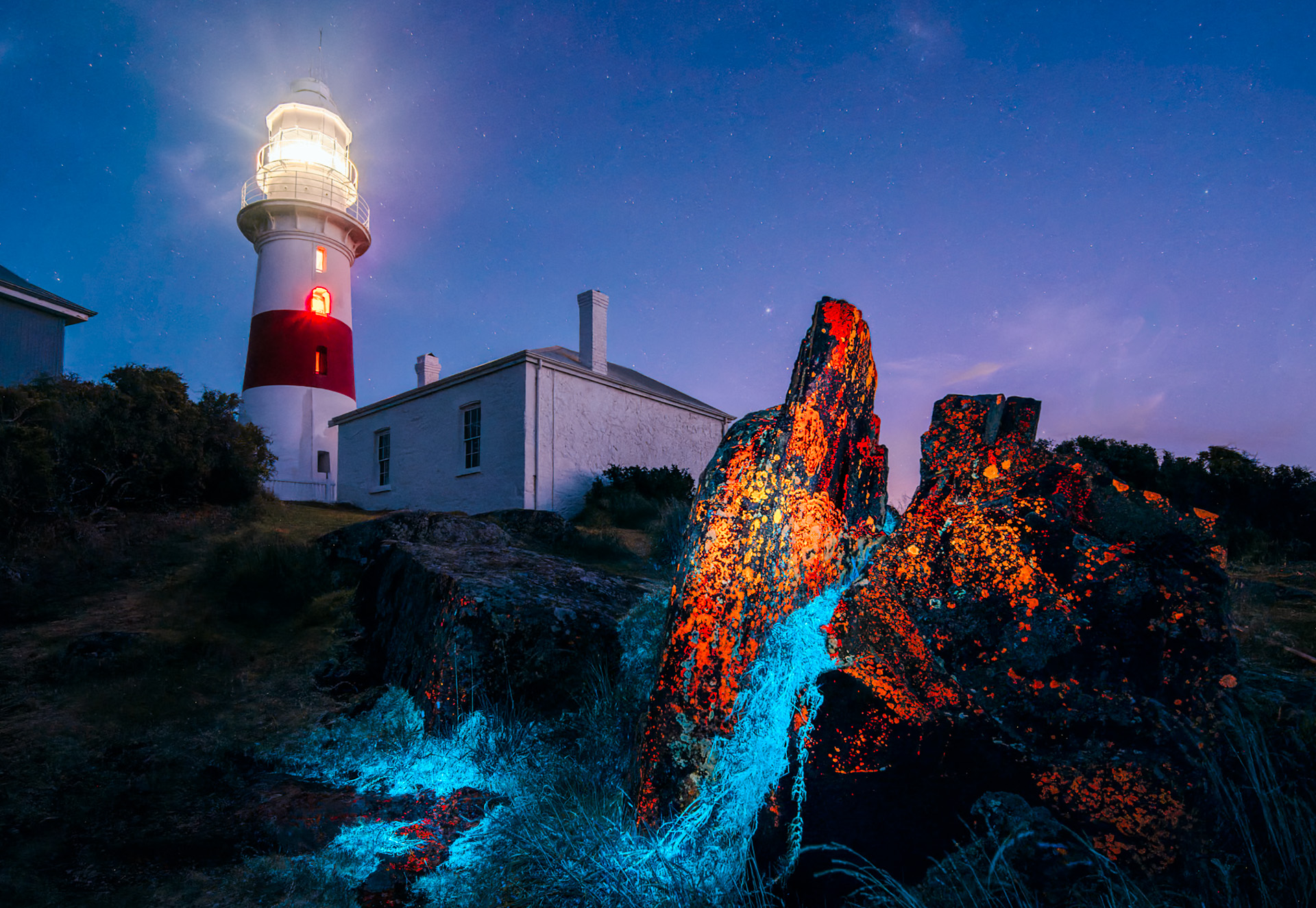
DIVINER
Print options available
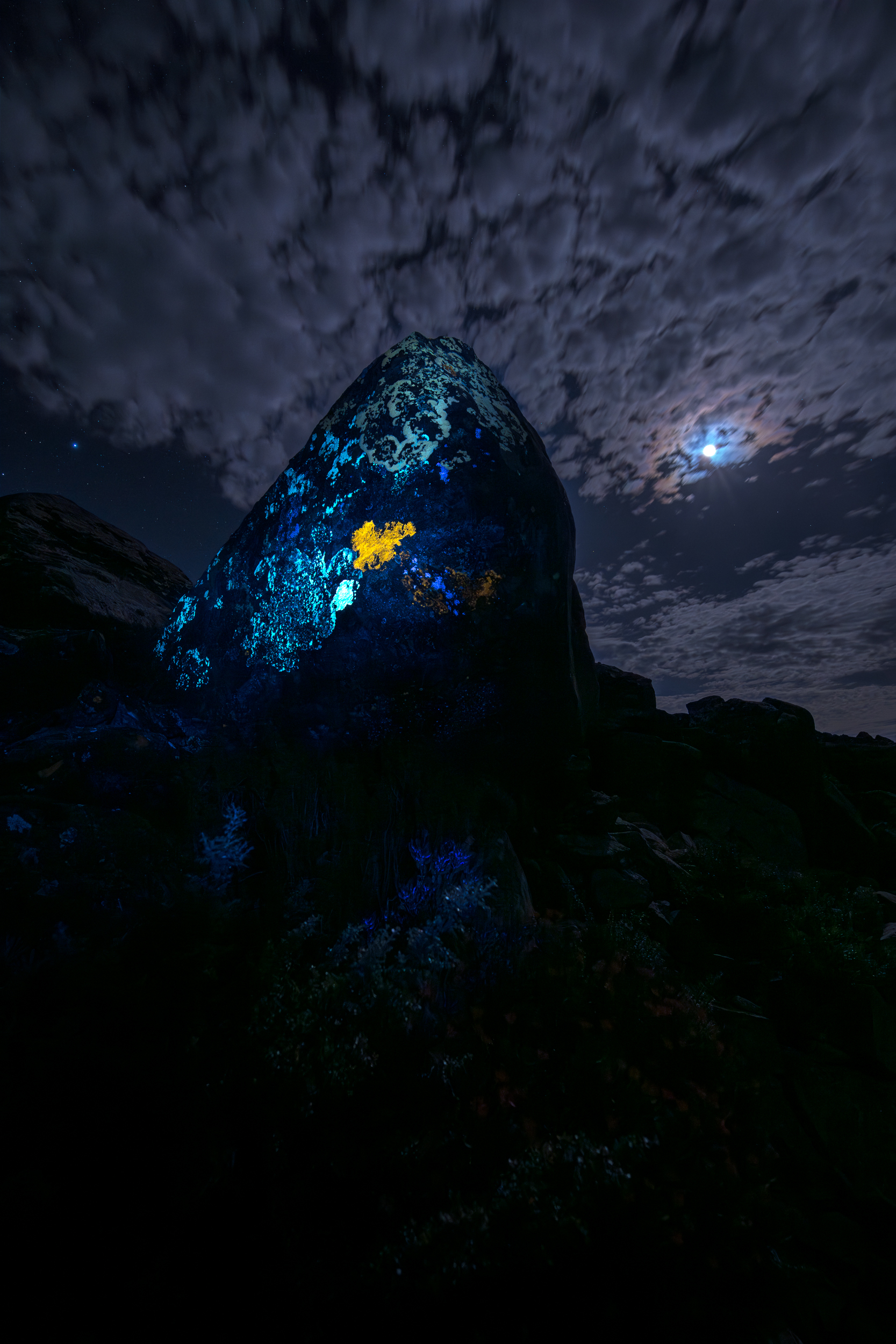
After dark, the world around is gets a little bit... unusual. Where what our eyes perceive may be drab and dull, how the universe at large sees itself is something altogether more impressive. Under UV, lichens draping the rocks exhibit strong biofluorescence, shining in oranges and reds - counter to the strong blue response of the grasses.
Domino
Print options available