Astronomy photography, or more simply astrophotography is the process of capturing the heavens above – either on their own, or as in many of the works shown here, with terrestrial subjects (termed ‘nightscapes‘ by the wider community). Each of these images captures a specific moment in the evolution of the universe: stars, suns, moons, aurorae, and much in between. While we can’t see the universe with this level of fidelity through our unaided eyes, every day technology brings us closer.
Astrophotography
Per page
View
Evidence
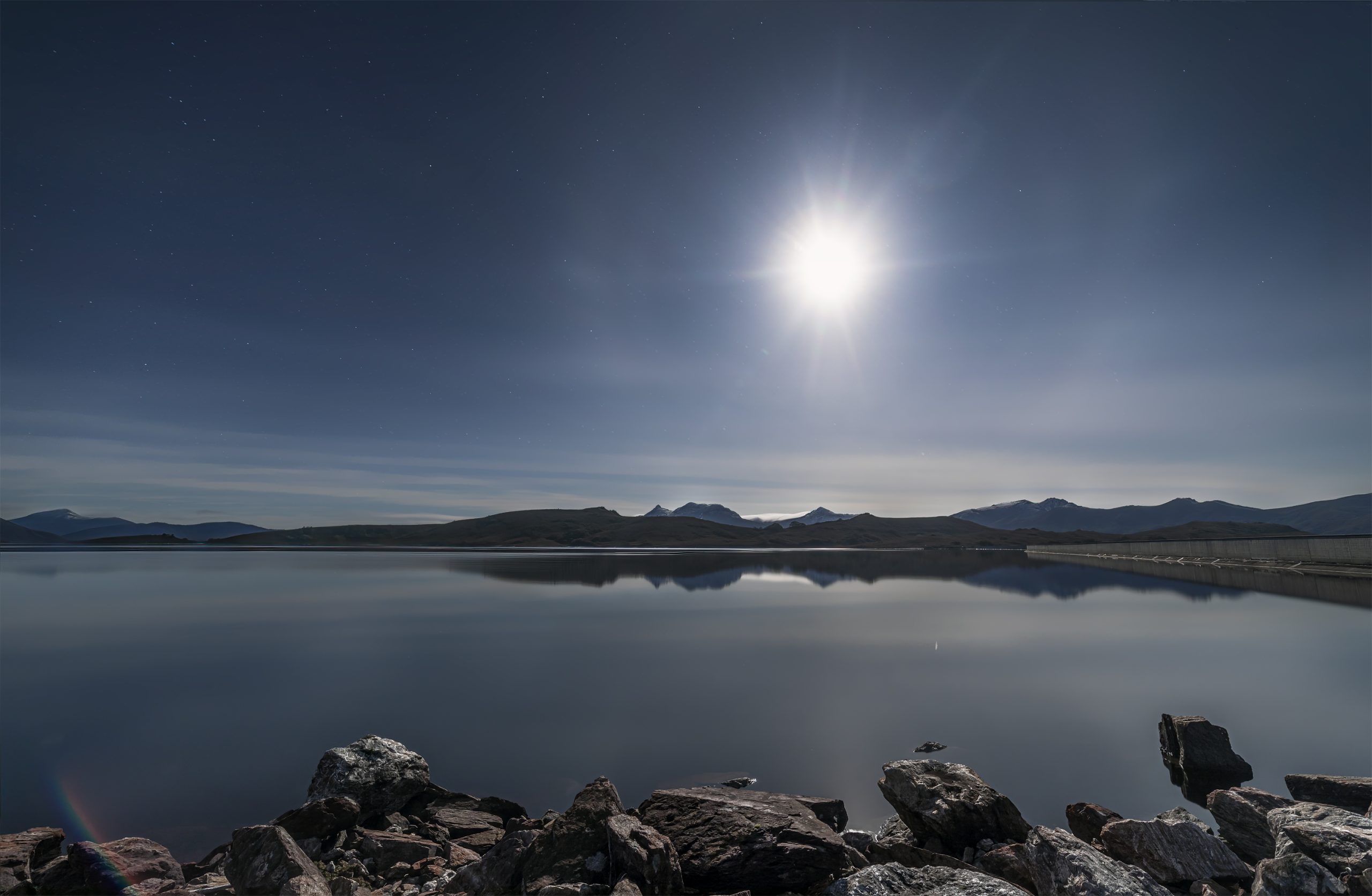
22
Print options available
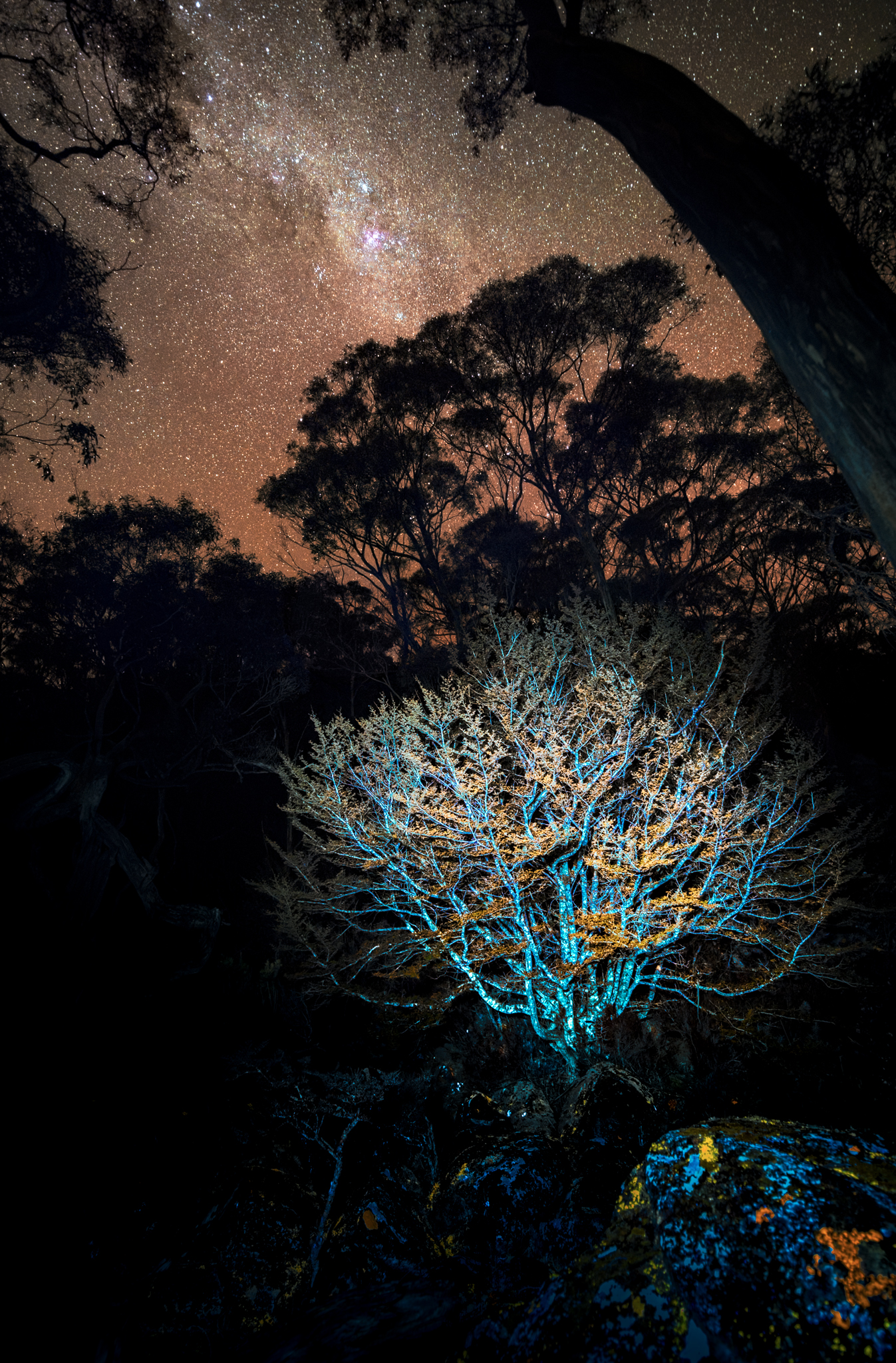
ALCHEMY
Print options available
Above, Carina and Crux punctuate the last traces of the Aurora Australis. Below, Australia's only cold-weather deciduous tree, Nothofagus gunnii, reaches its peak golden blaze as winter approaches. Using special lighting, the tree bursts into a brilliant glow - blues, golds, and oranges exploding from the landscape as if by magic.
This image was named the Botanical Photo of the Year in the 2026 Australian Geographic Nature Photographer of the Year.
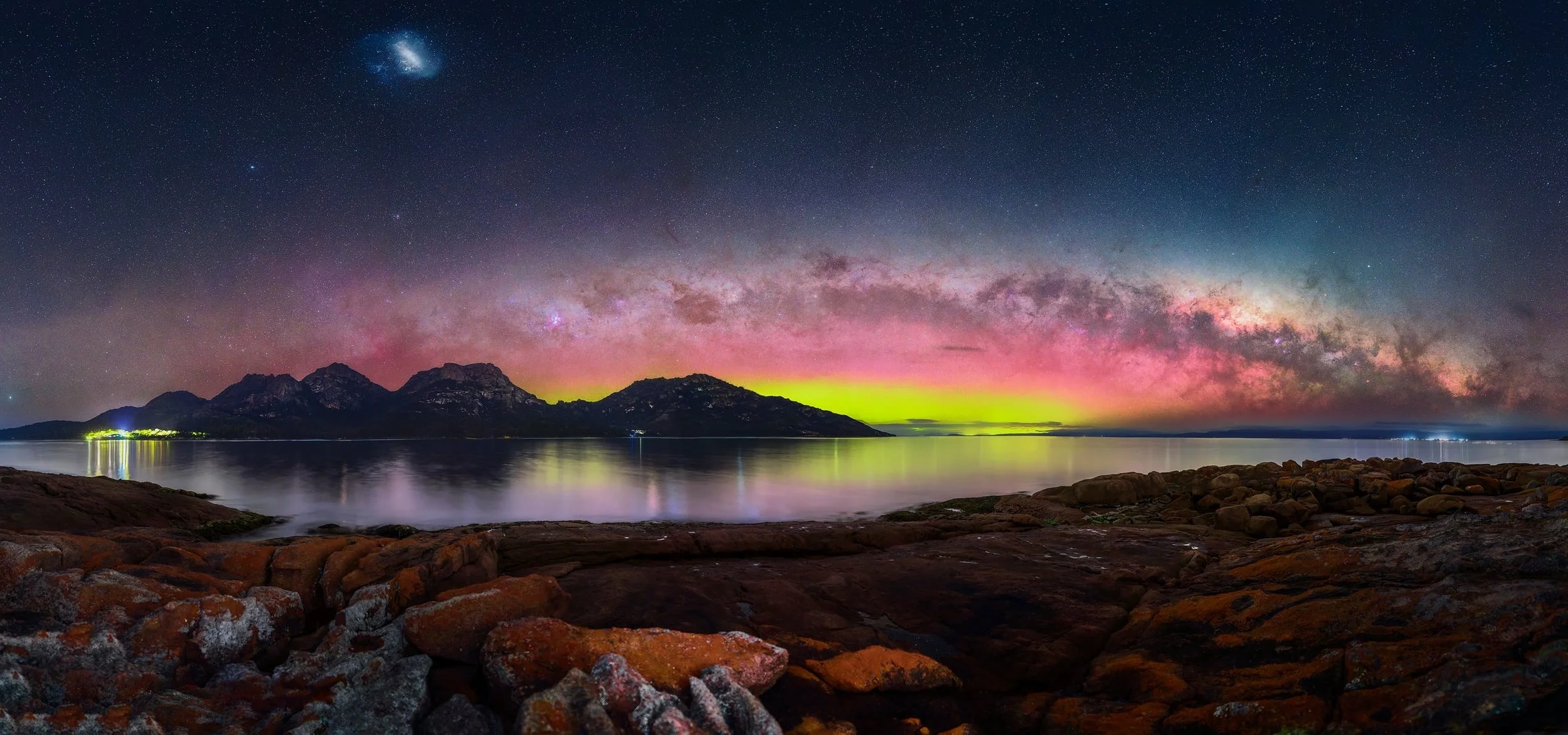
Aurora at the Hazards
Print options available
The southern lights – aurora australis, or ‘nuyina’ in palawa kani – is a regular, albeit elusive visitor to Tasmania’s pristine skies. One of the best places to view them is facing the Hazards range, extending on the opposite side of the world-famous Wineglass Bay.
This particular night saw close to 700km of driving, and one very tired Benjamin.
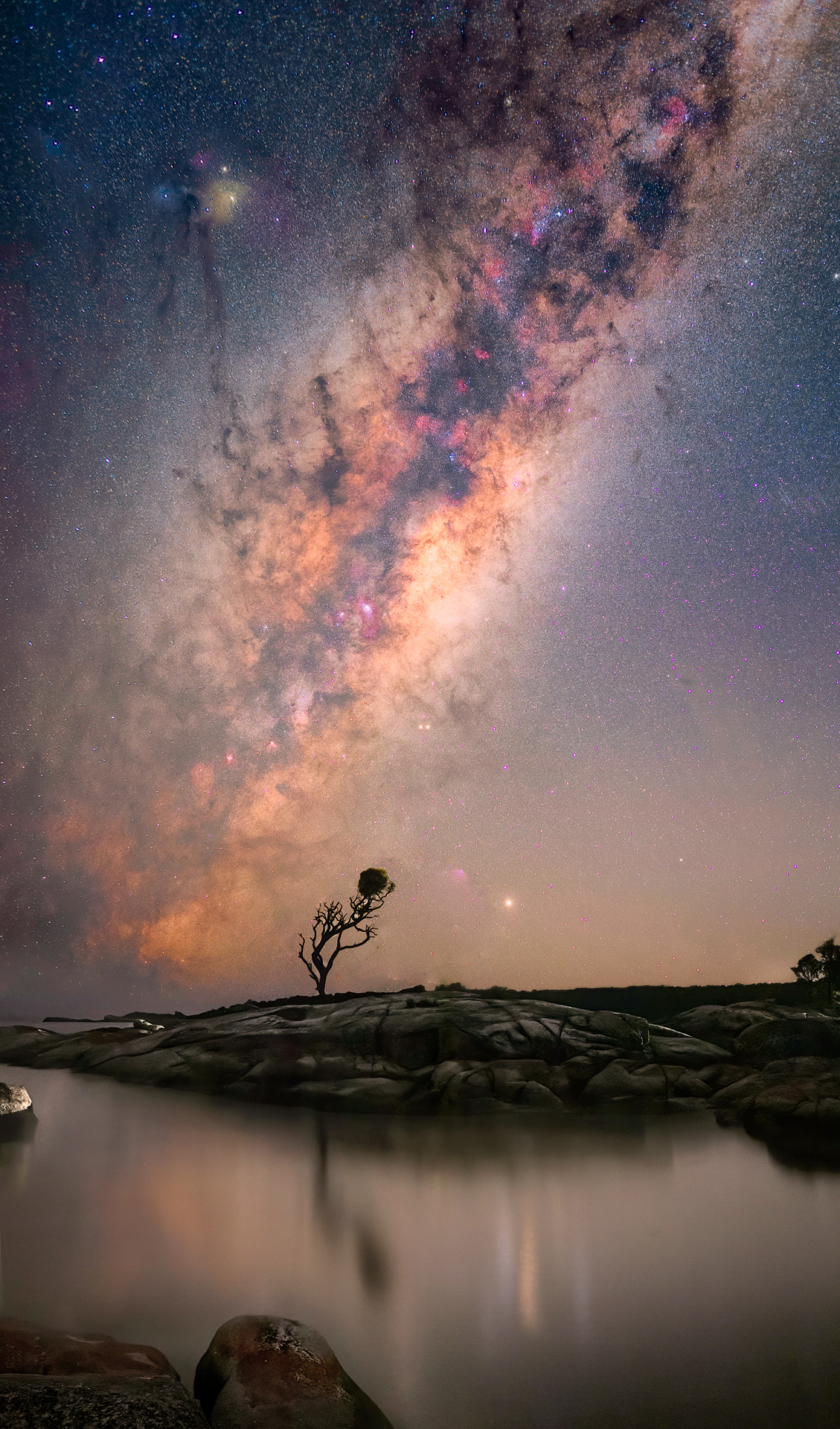
Binalong
Print options available
In Tasmania’s far northeast, there was a solitary tree overlooking a sleepy bay. Aside from the street lamps that offer it company at night, the galaxy above is its only friend. But, what a friend it was.
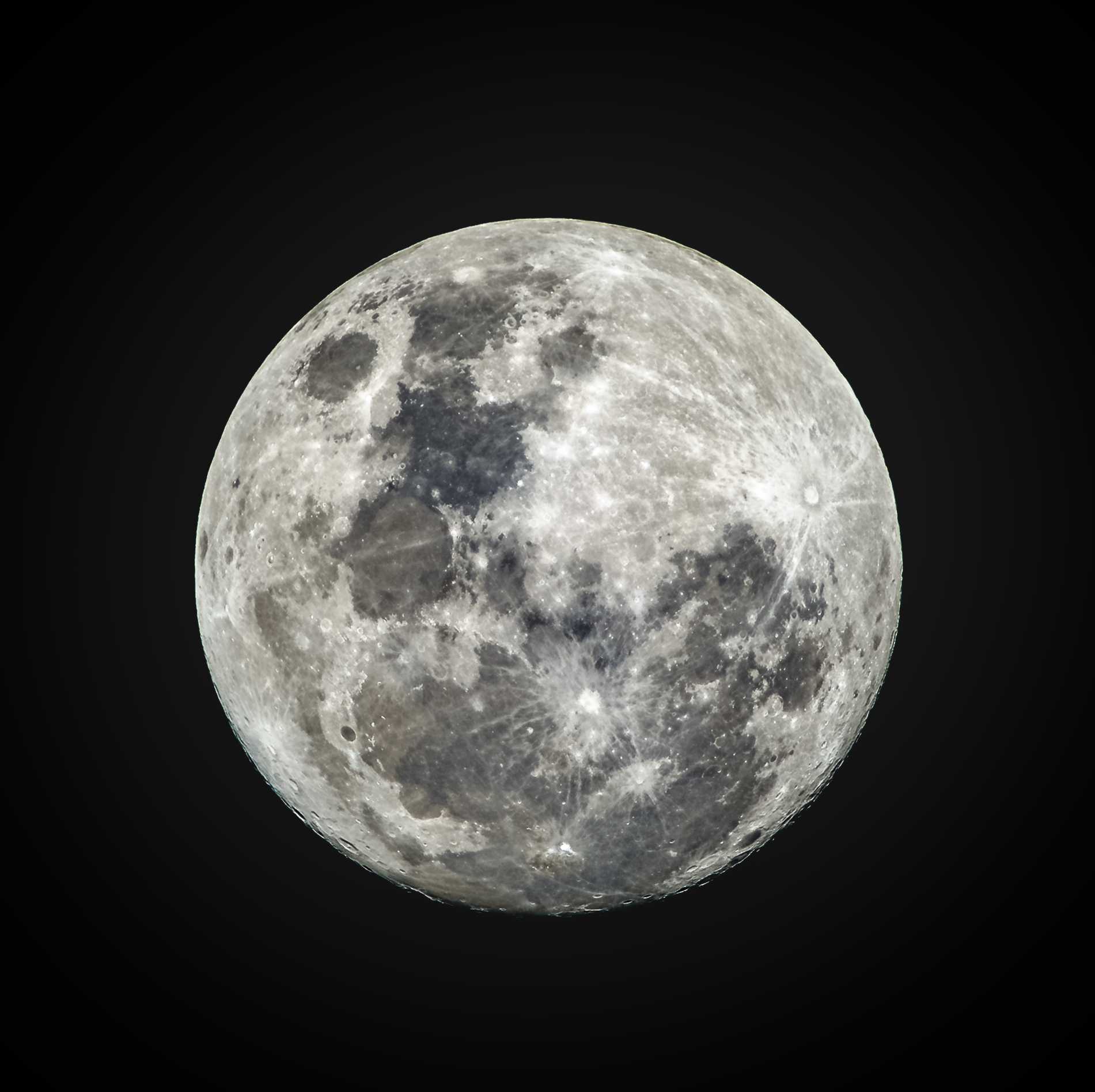
Blue Moon May 2026
Print options available
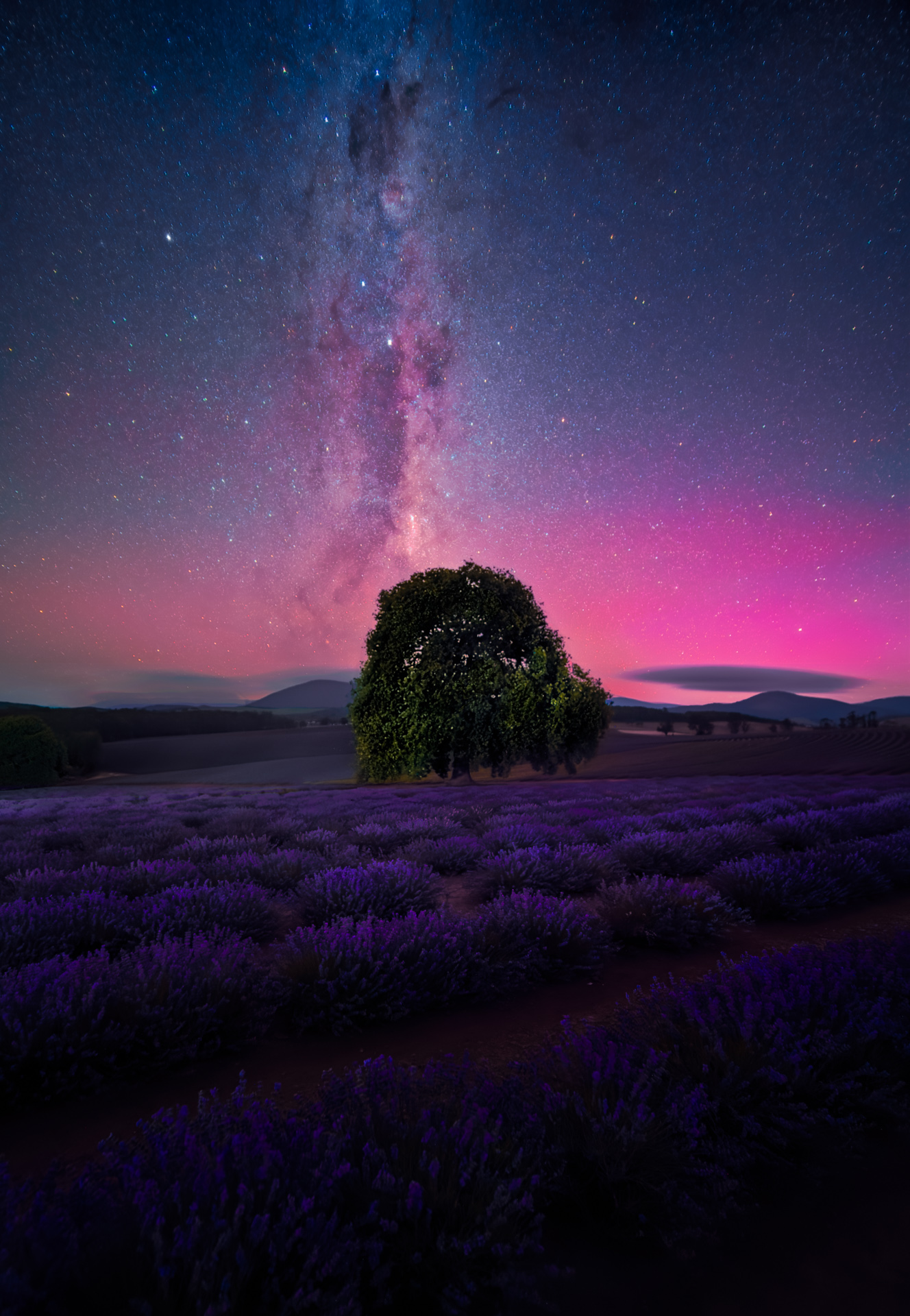
Bridestowe
Print options available
Bridestowe Lavender Estate is a very special place. Stunningly beautiful, beautifully fragrant, even better at night. This is probably the earliest in the year you can sort of shoot the Milky Way – months before the rest of the country.
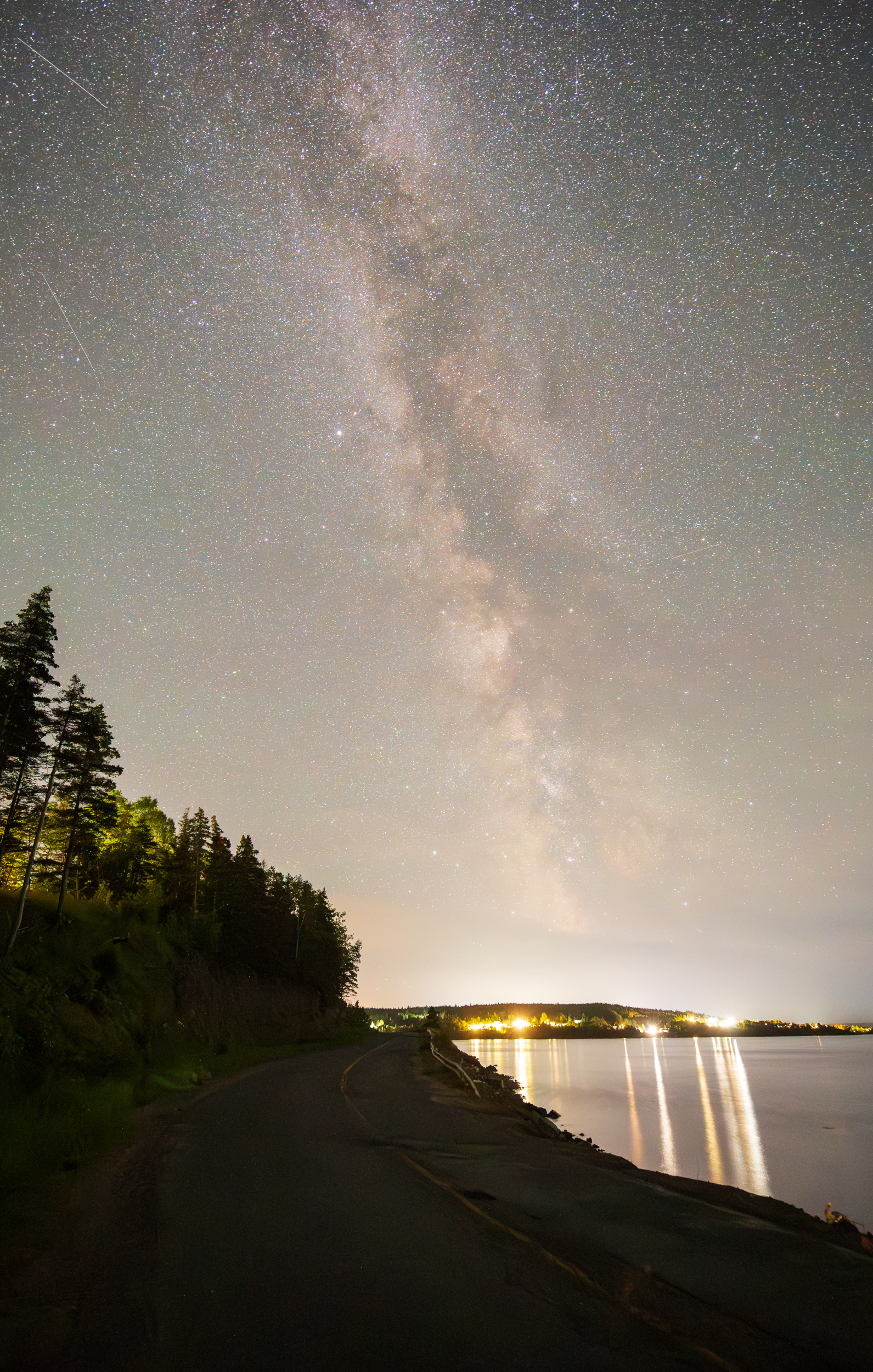
Brooklyn
Print options available
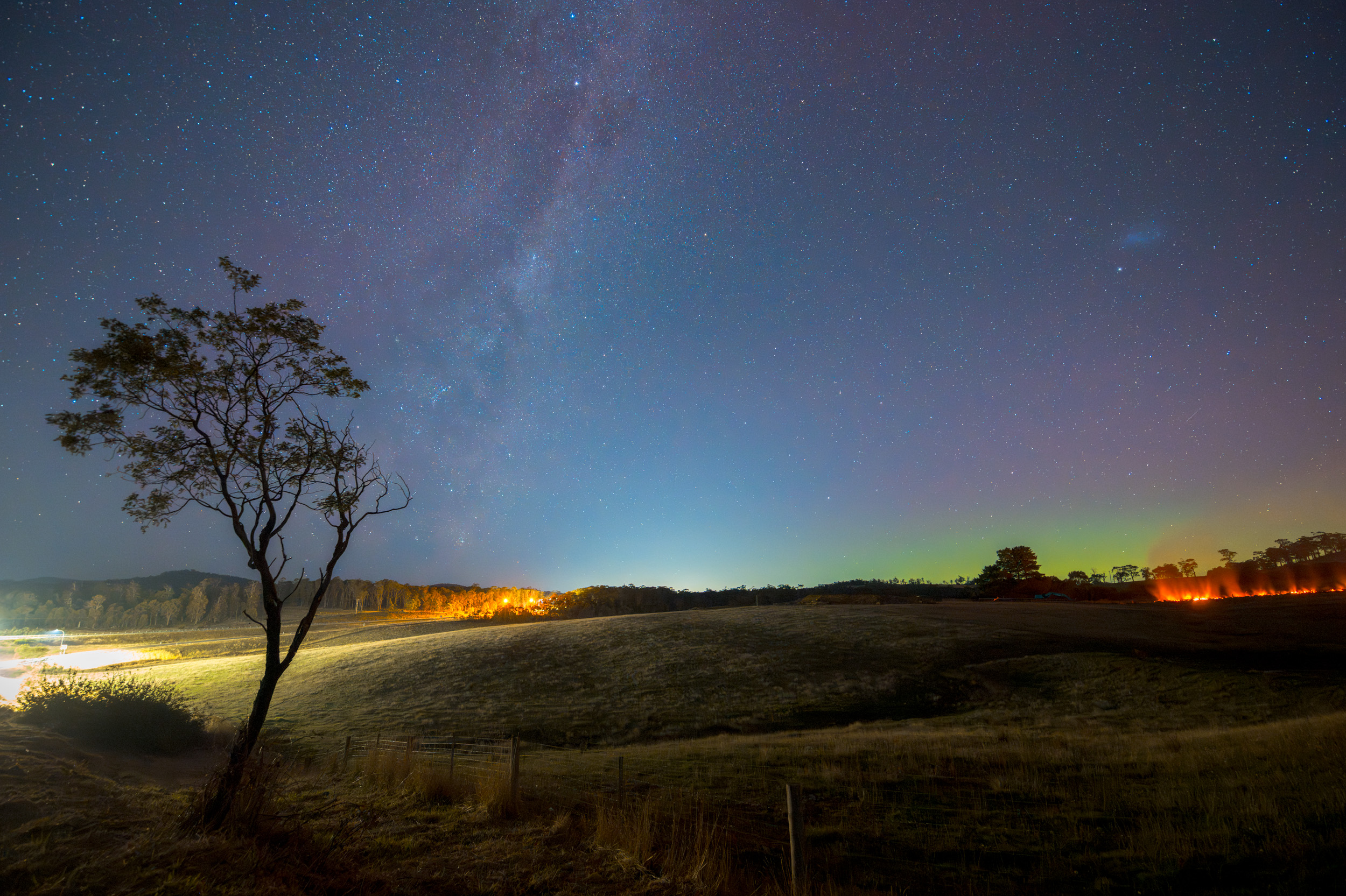
Brushfire Fairytale
Print options available
By Moonlight
Print options available
Cascade Milky Way
Print options available
Cider
Print options available
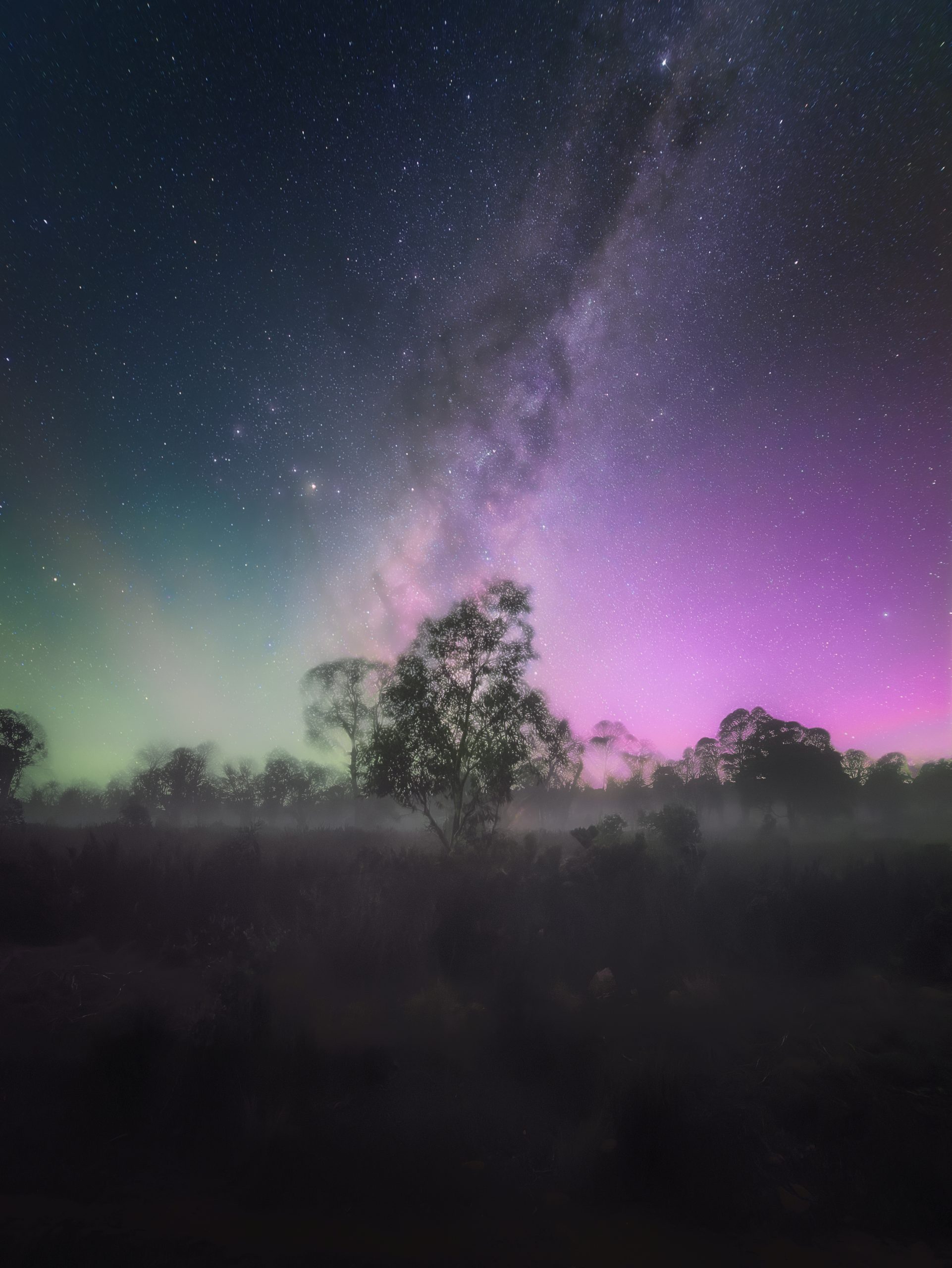
In a narrow sliver of Tasmania’s highlands, one species dominates the landscape: the Miena Cider Gum (Eucalyptus gunnii subsp. divaricata). Found in only a few dozen hectares of exposed plateau, many members of the population have left ghostly remains after extensive fire damage. Owing to Bortle 1 skies (the darkest class of sky, akin to the void of space with no terrestrial interference to inhibit visibility of faint details) the area serves as fertile ground for imaging, often pairing both galactic and atmospheric sights – such as the "dark emu", intensely colourful airglow, and the aurora as seen on this evening – seamlessly.
Dandelion Eclipsing Full Moon
Print options available
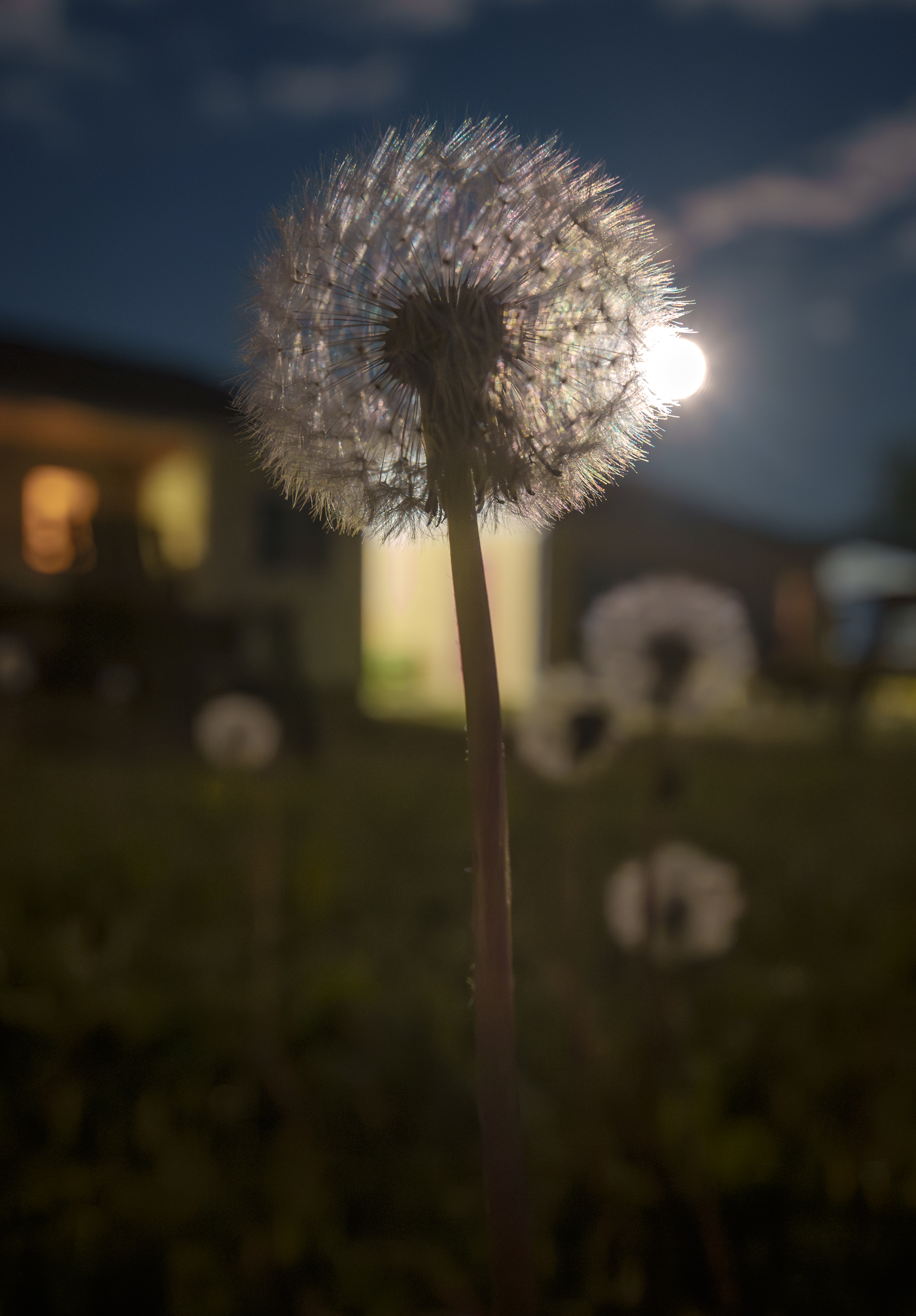
The Atlantic coast of Newfoundland for a time turns almost entirely white - and unlike the snow that does it for most of the year, this is in summer. The dandelion is so prolific that they cause literal storms of petals, accumulating on roadsides in large tumbling masses that dance in the wind. It also offers a perfect place to take in the full moon, given it has some of the darkest skies on earth. These one seems to be enjoying the matinee.